
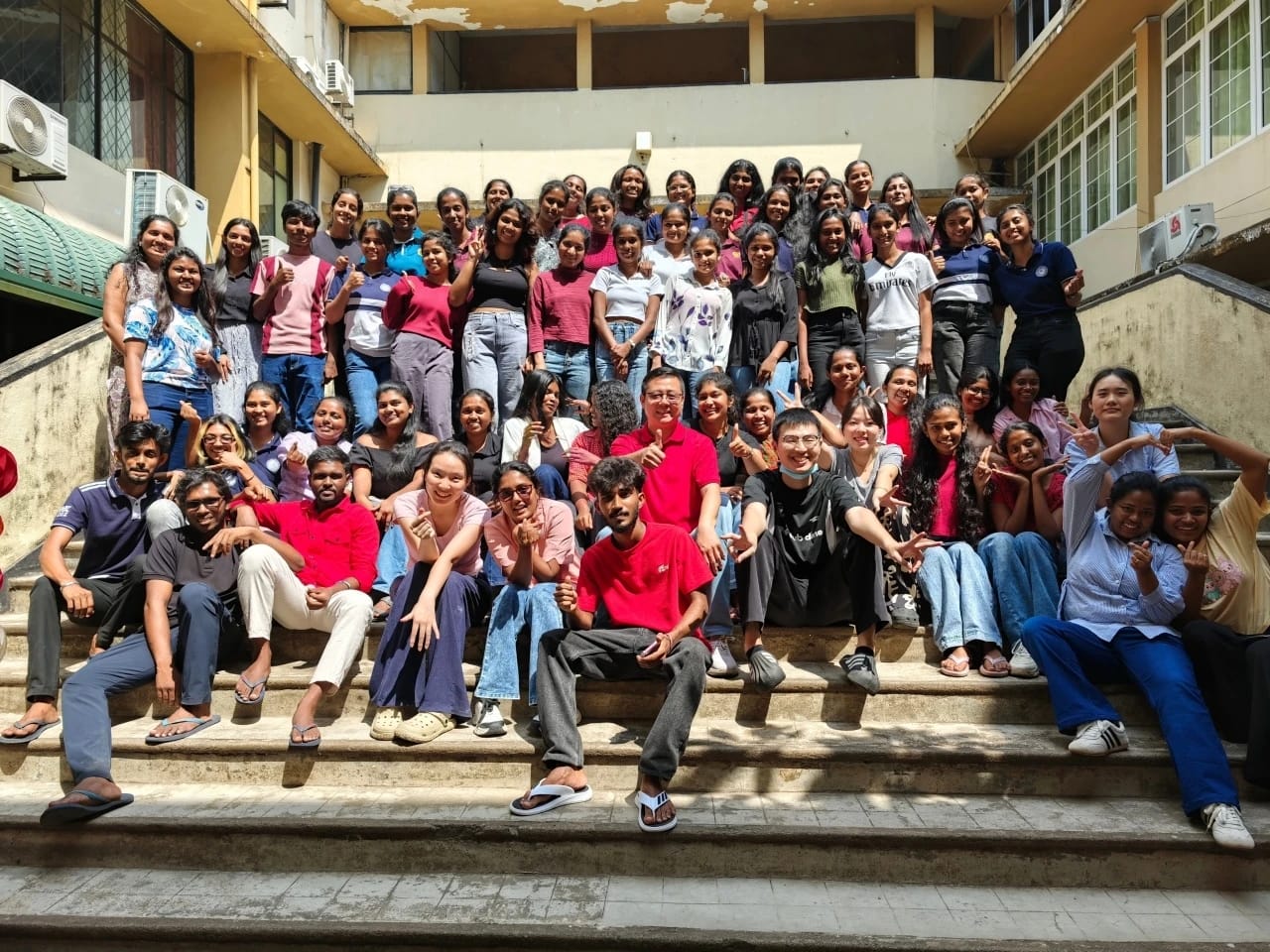
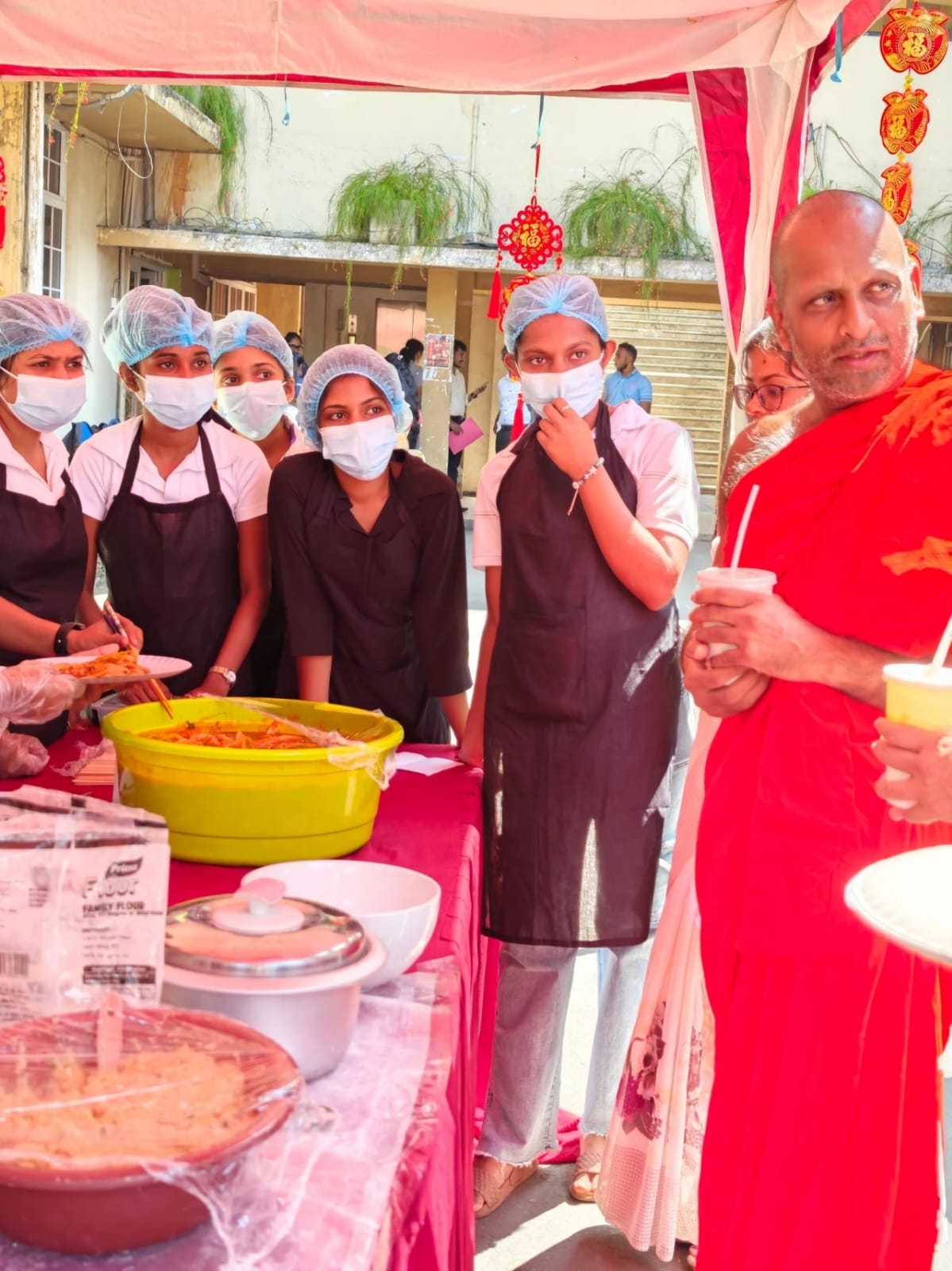
On February 11, the Confucius Institute at the University of Kelaniya organized the 2026 Chinese New Year Cultural Carnival. The event attracted over a thousand participants, including university staff and students, weekend class students of the Confucius Institute, as well as members of the local Chinese community. The distinguished invitees of the cultural show included Dr. Sudath Senarath, Dean of the Faculty of Humanities at the University of Kelaniya, and Venerable Senior Professor Nadalagamuwe Dhammadina Thero, Head of the Department of Modern Languages.
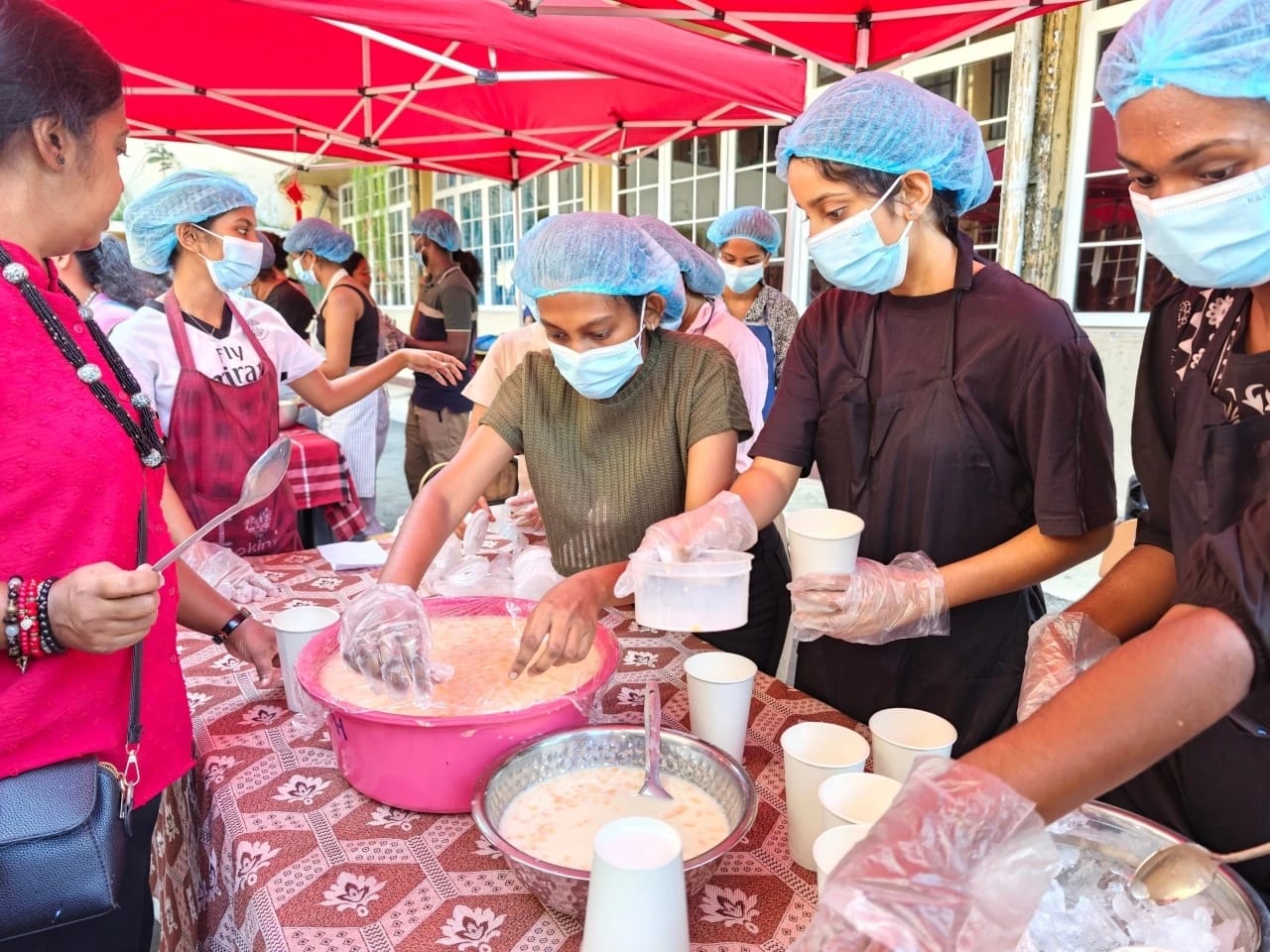
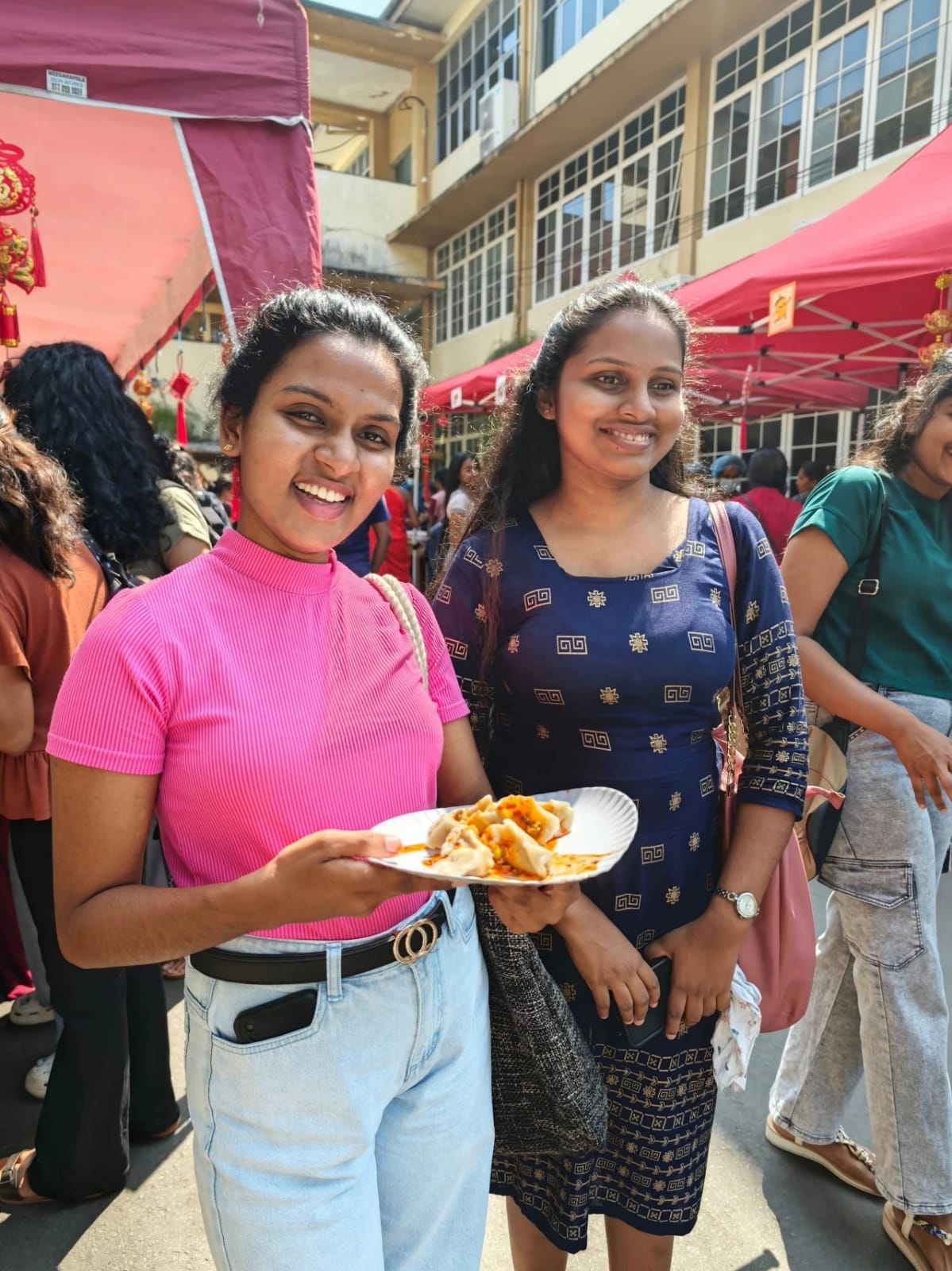
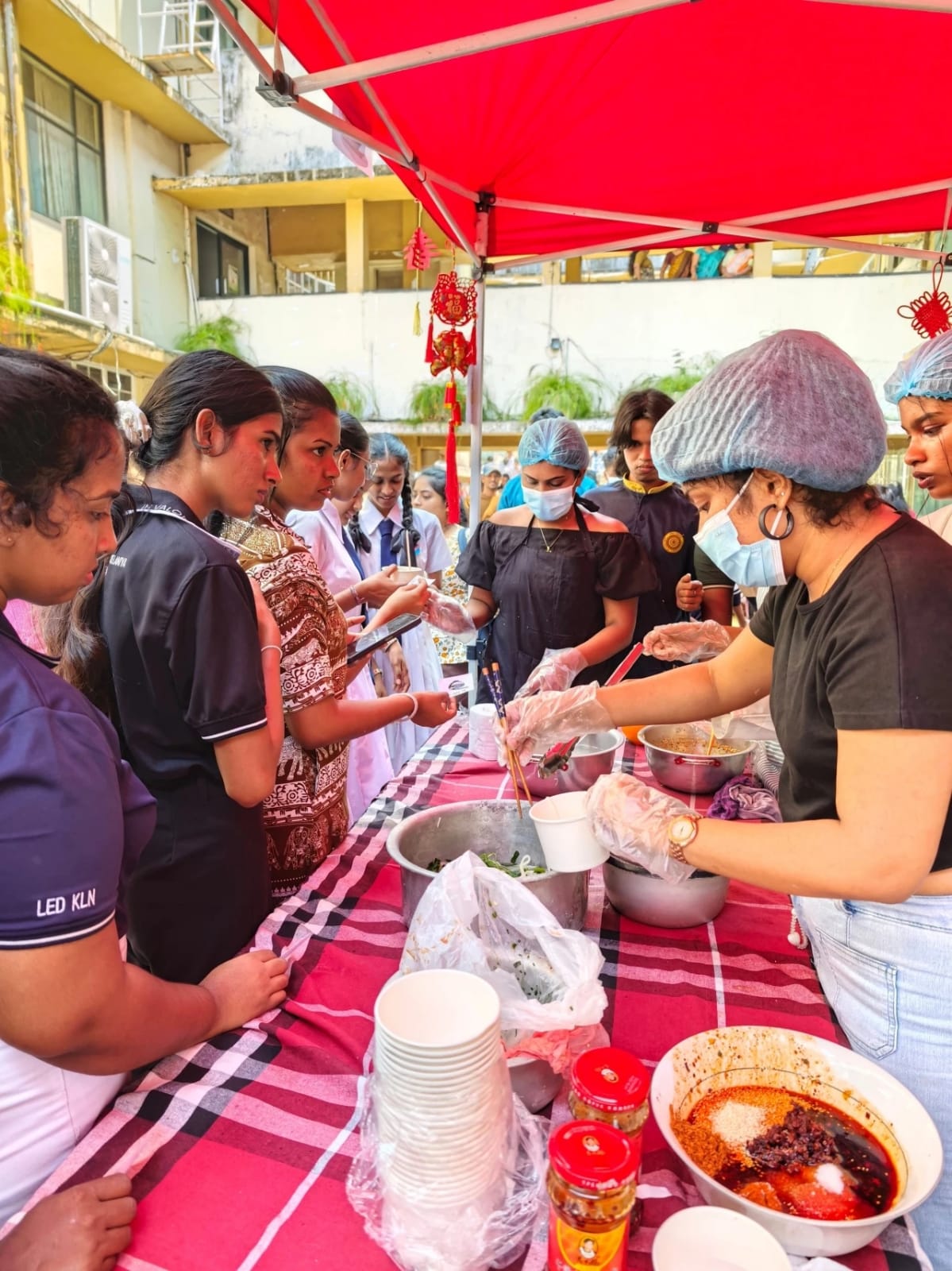
Featuring authentic Chinese cuisine, traditional festive games, and immersive Hanfu experiences, the carnival received widespread praise. The venue was bustling with crowds, exuding a vibrant and festive Chinese New Year atmosphere. At the food tasting and sales area, the aroma of Chinese delicacies filled the air. Popular dishes such as bobo chicken, mango sago dessert, Chongqing noodles, cabbage and chicken dumplings, and chive and egg dumplings were highly sought after. Professional chefs from China State Construction South Asia Company also contributed to the event by preparing signature dishes including spicy chicken and “wolf-tooth” potatoes. The spicy chicken, crispy on the outside and tender inside with a rich, numbing flavor, and the golden, crispy potatoes with a lingering taste, were widely praised and eagerly enjoyed by attendees.
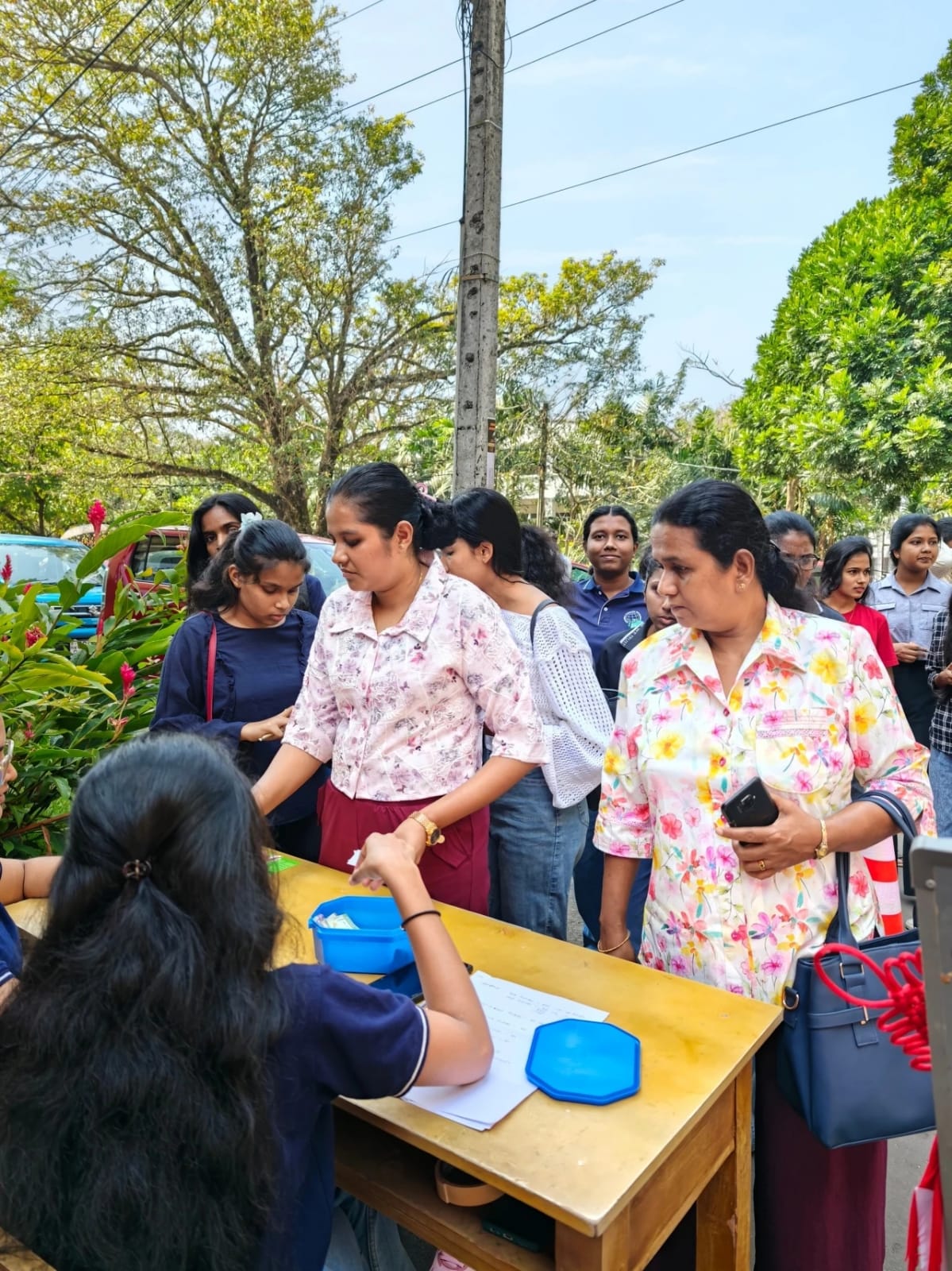
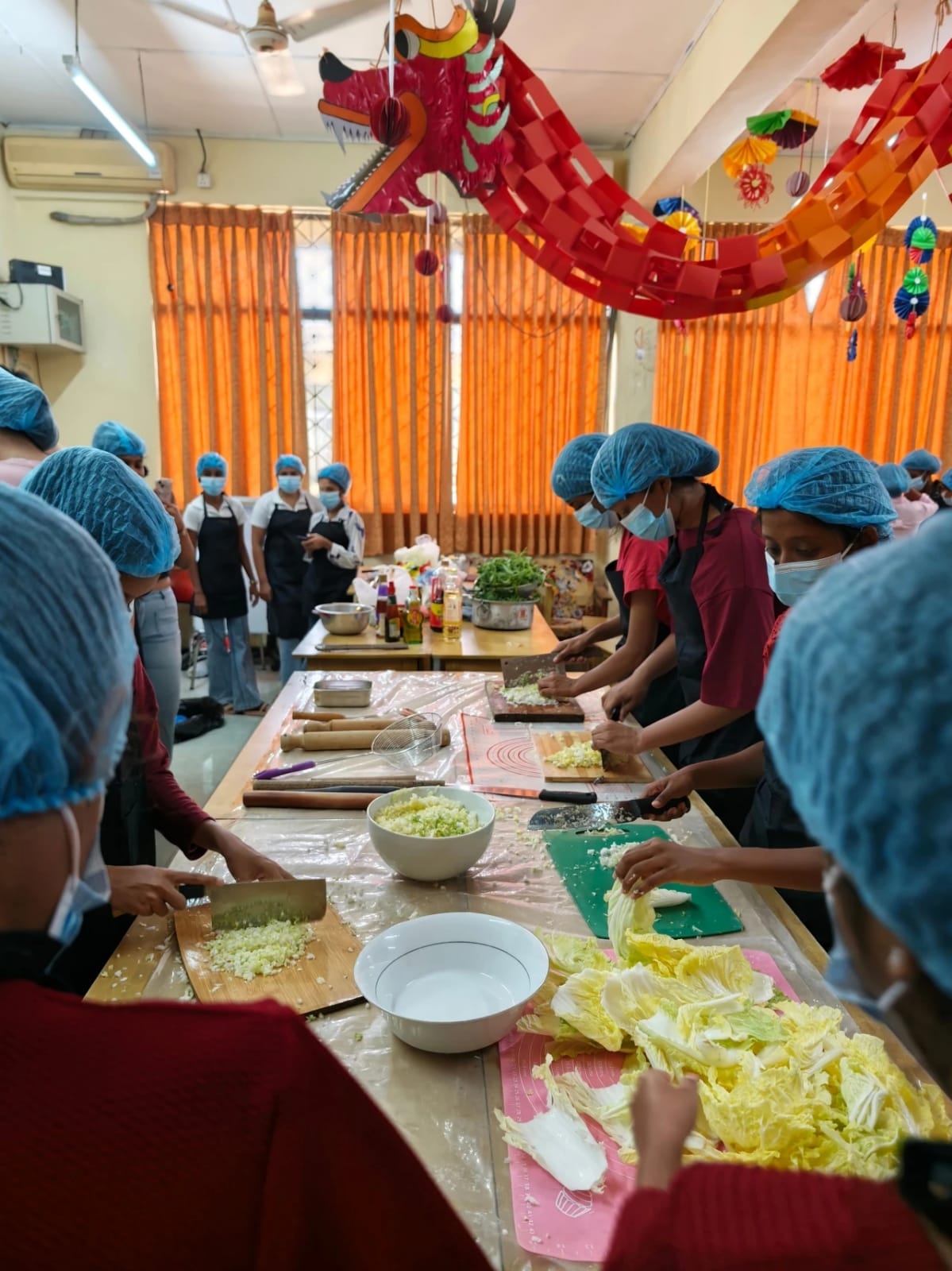
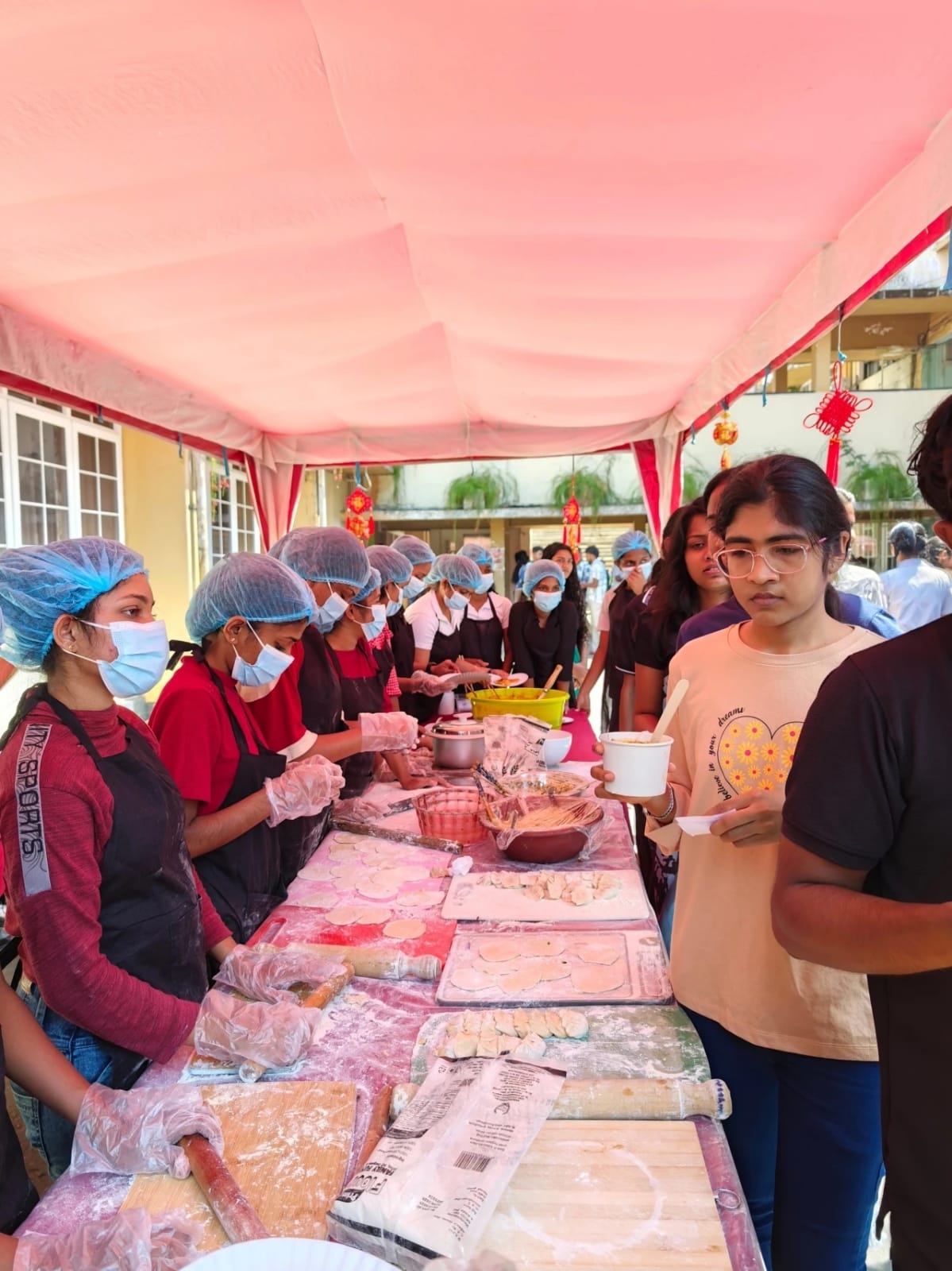
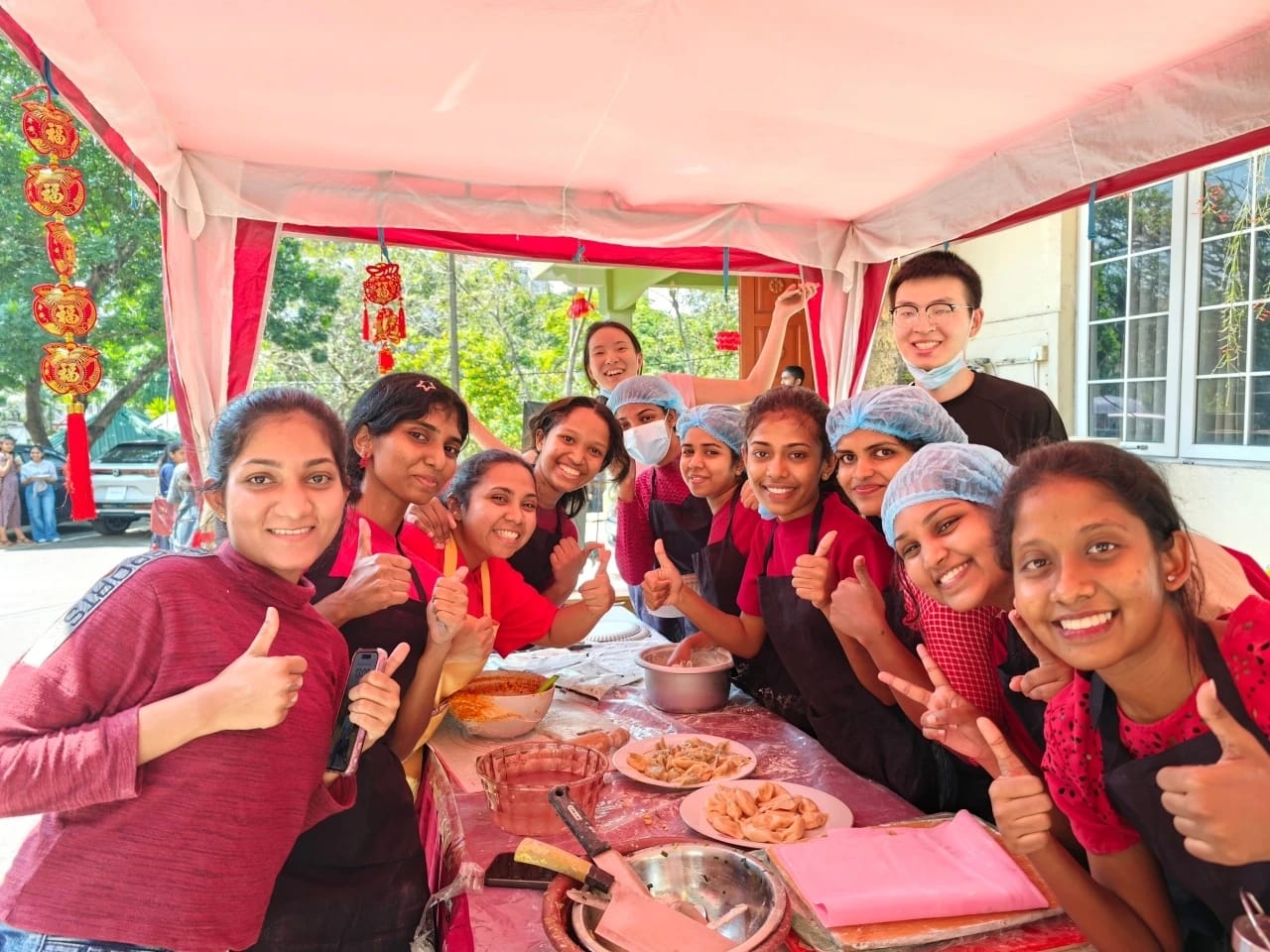
First-year Chinese major students actively participated according to their interests and strengths, joining different food preparation groups. In the dumpling group, teachers and students worked entirely by hand—from kneading dough and rolling wrappers to mixing fillings and wrapping dumplings—producing over 800 dumplings within four hours. Meanwhile, batches of mango sago dessert were continuously prepared, Chongqing noodles were cooked one after another, and plates of bobo chicken were quickly assembled. Long queues formed as participants eagerly waited to taste the food, with demand far exceeding expectations. Despite the busy workload—kneading dough, serving dishes, handing out bowls, and packing food—everyone remained cheerful and fully engaged.
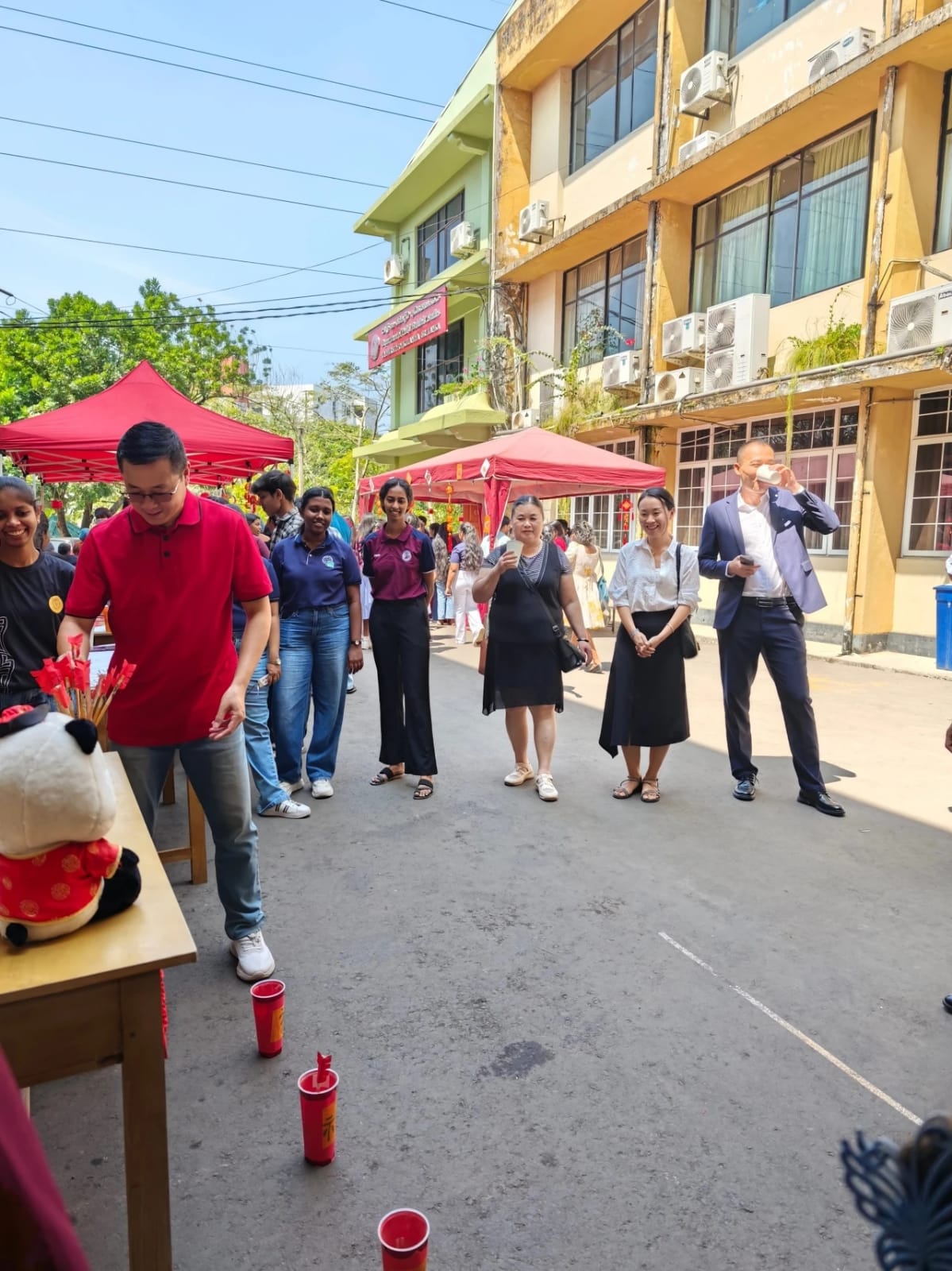
The game interaction area was equally lively. Activities such as pitch-pot (a traditional Chinese game), picking up red envelopes with chopsticks, and the “draw square and circle” challenge creatively combined traditional customs with fun challenges, attracting large numbers of participants. Second-year Chinese major students carefully planned and organized these activities, from material preparation to on-site coordination, ensuring an enjoyable experience for everyone involved.
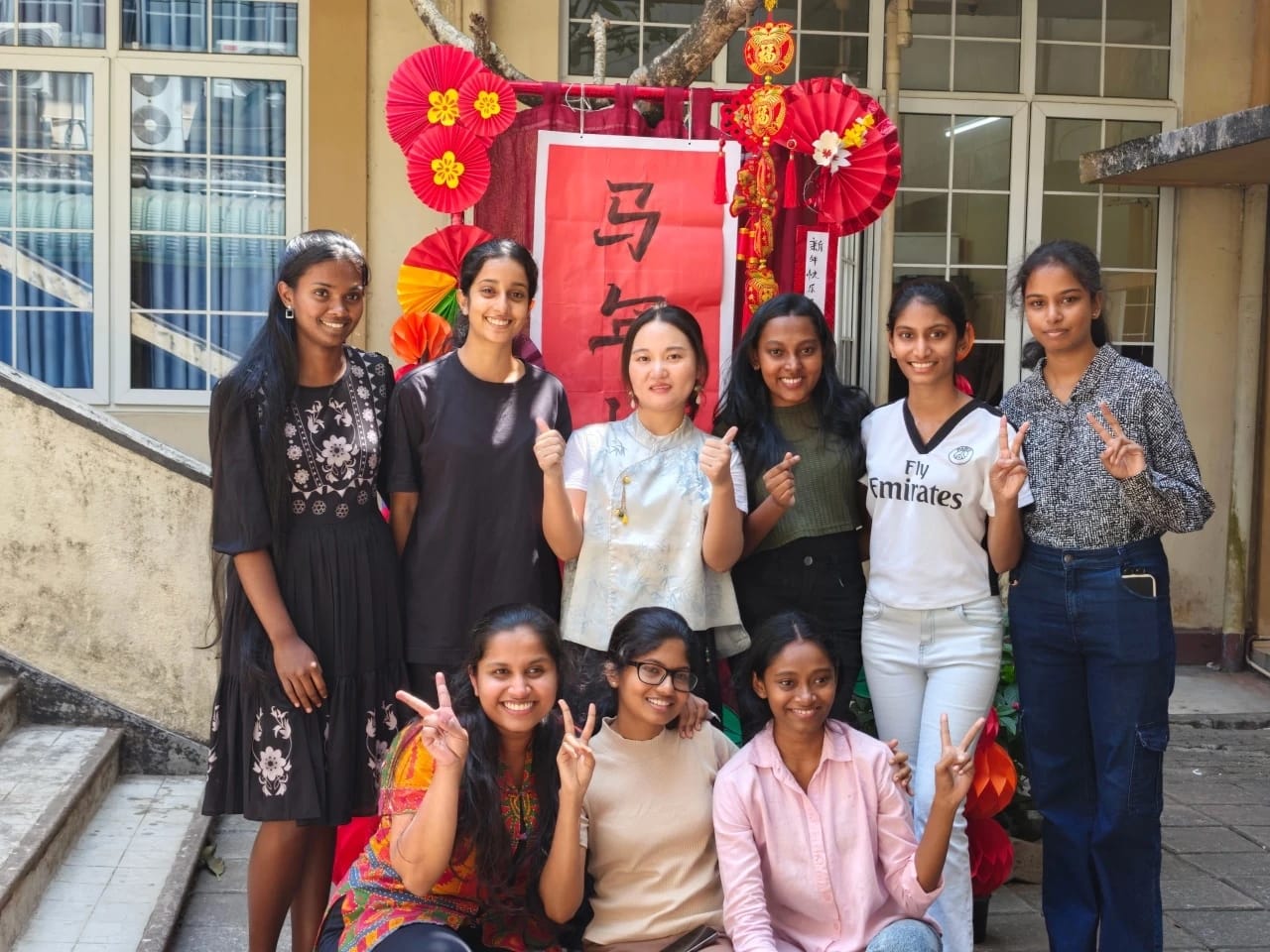
From students to faculty members, from the cool morning to the hot midday, every participant contributed their efforts and energy to the success of the event. This Chinese New Year celebration was not only a cultural feast but also a vivid, hands- on lesson in traditional Chinese culture. Looking ahead, the Confucius Institute will continue to use festivals as a platform and experiential activities as a bridge to promote cultural exchange and mutual understanding between China and Sri Lanka, enabling more Sri Lankans to learn about and appreciate Chinese culture.
Finally, the Confucius Institute at the University of Kelaniya extends its best wishes for the Year of the Horse. May the warmth created in every shared moment grow into something vast and enduring, carrying us forward into a bright new journey.
 |
 |
 |
 |
 |
 |
 |
 |
 |
 |
 |