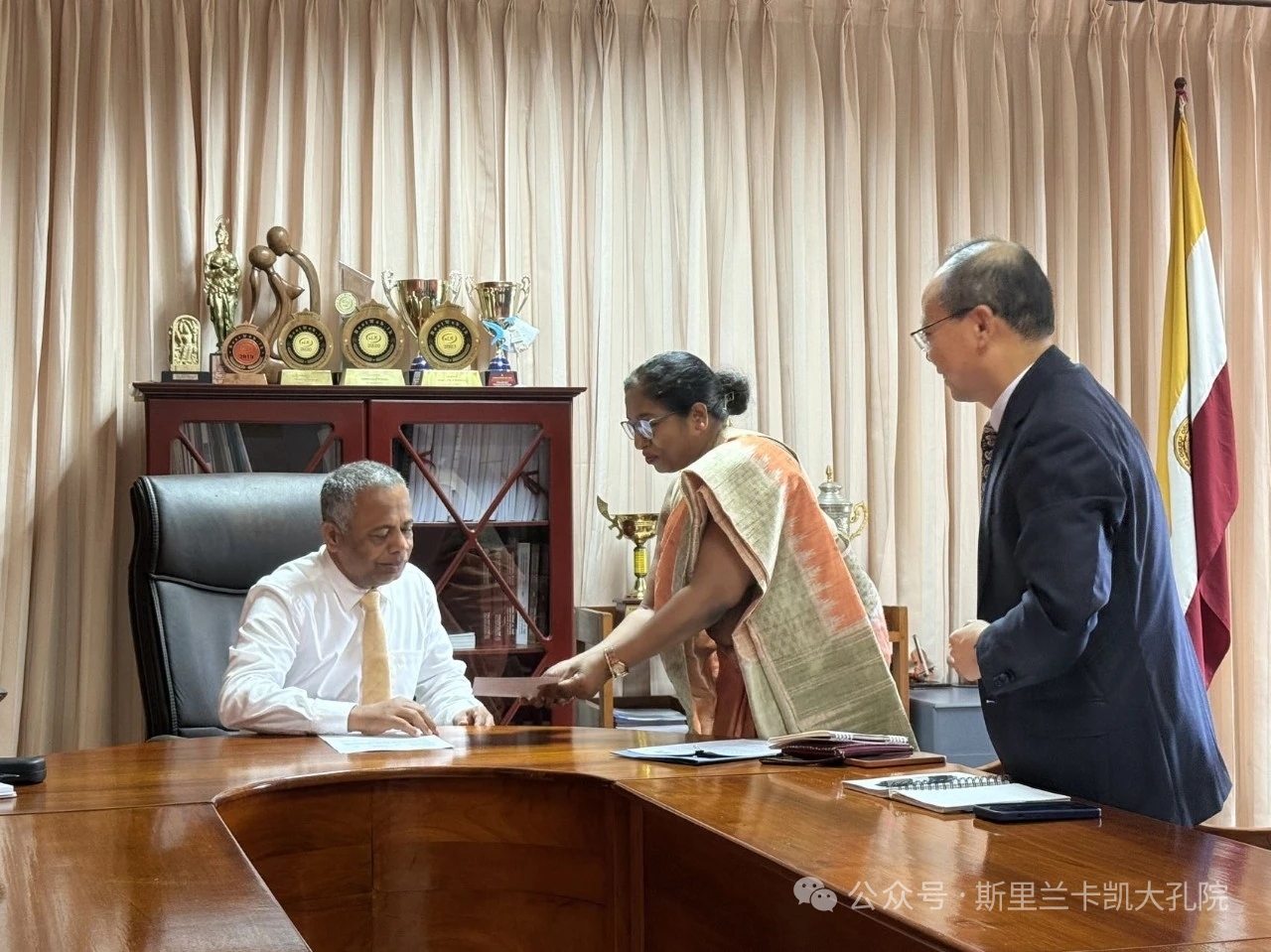
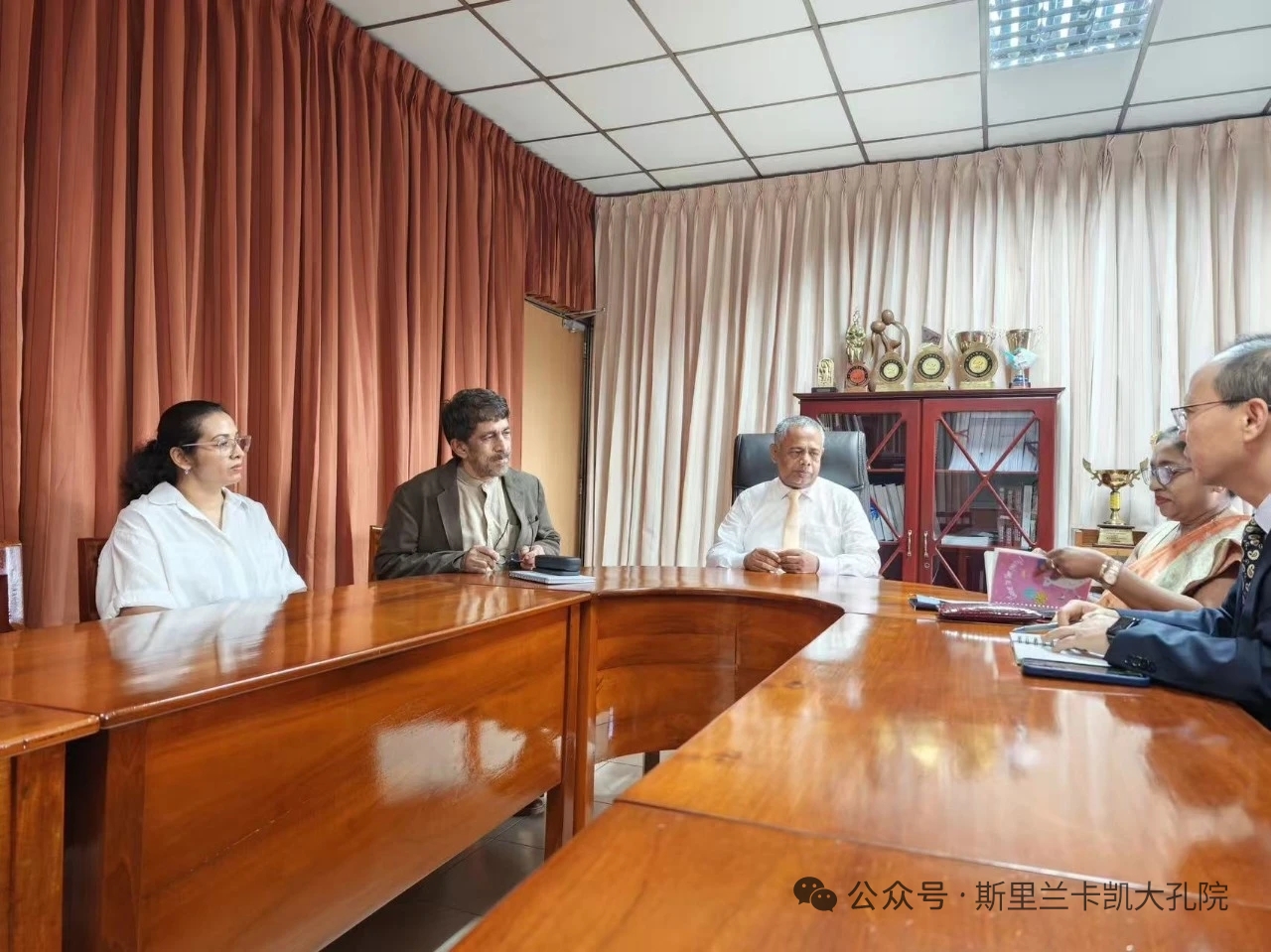
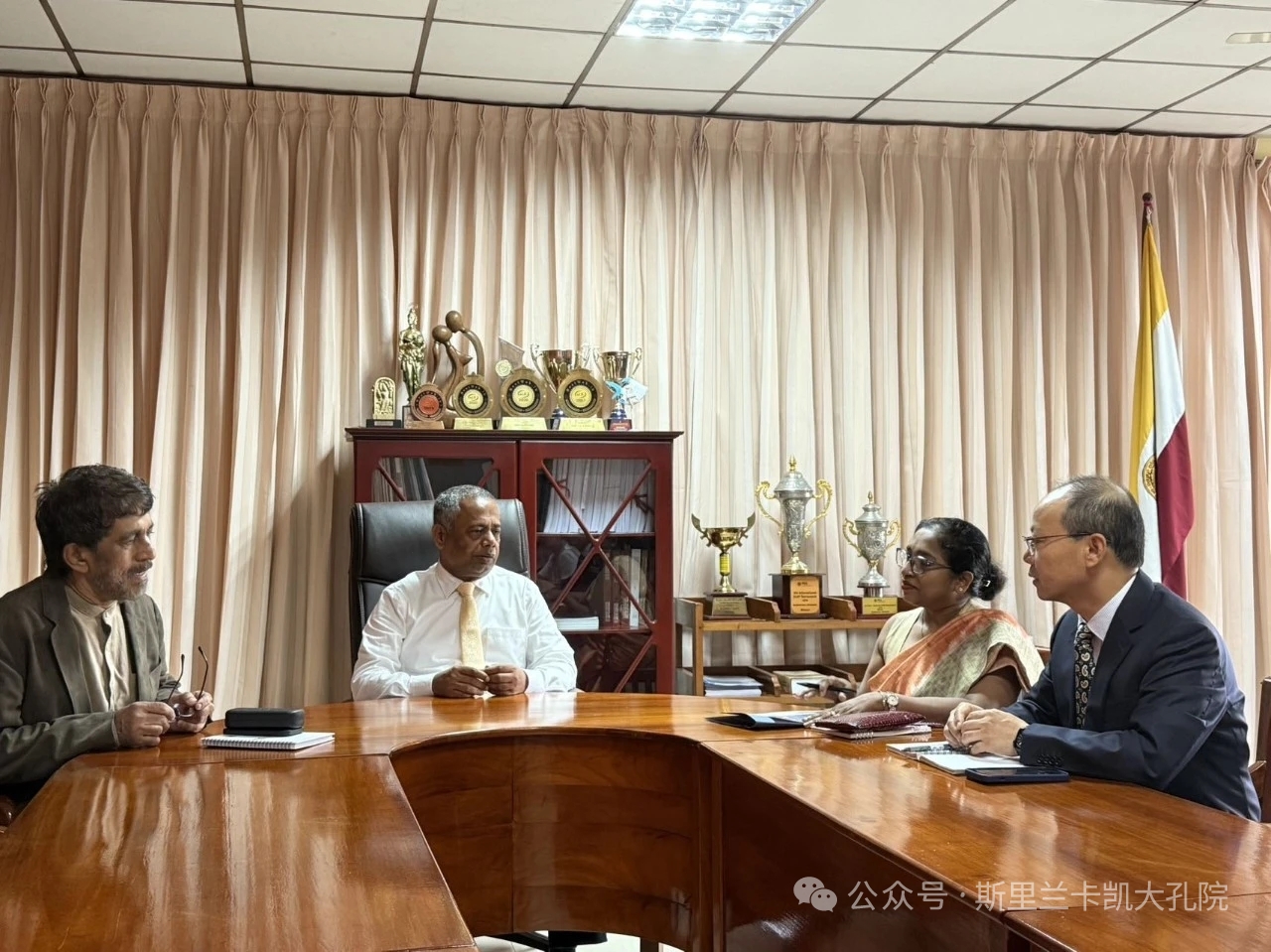
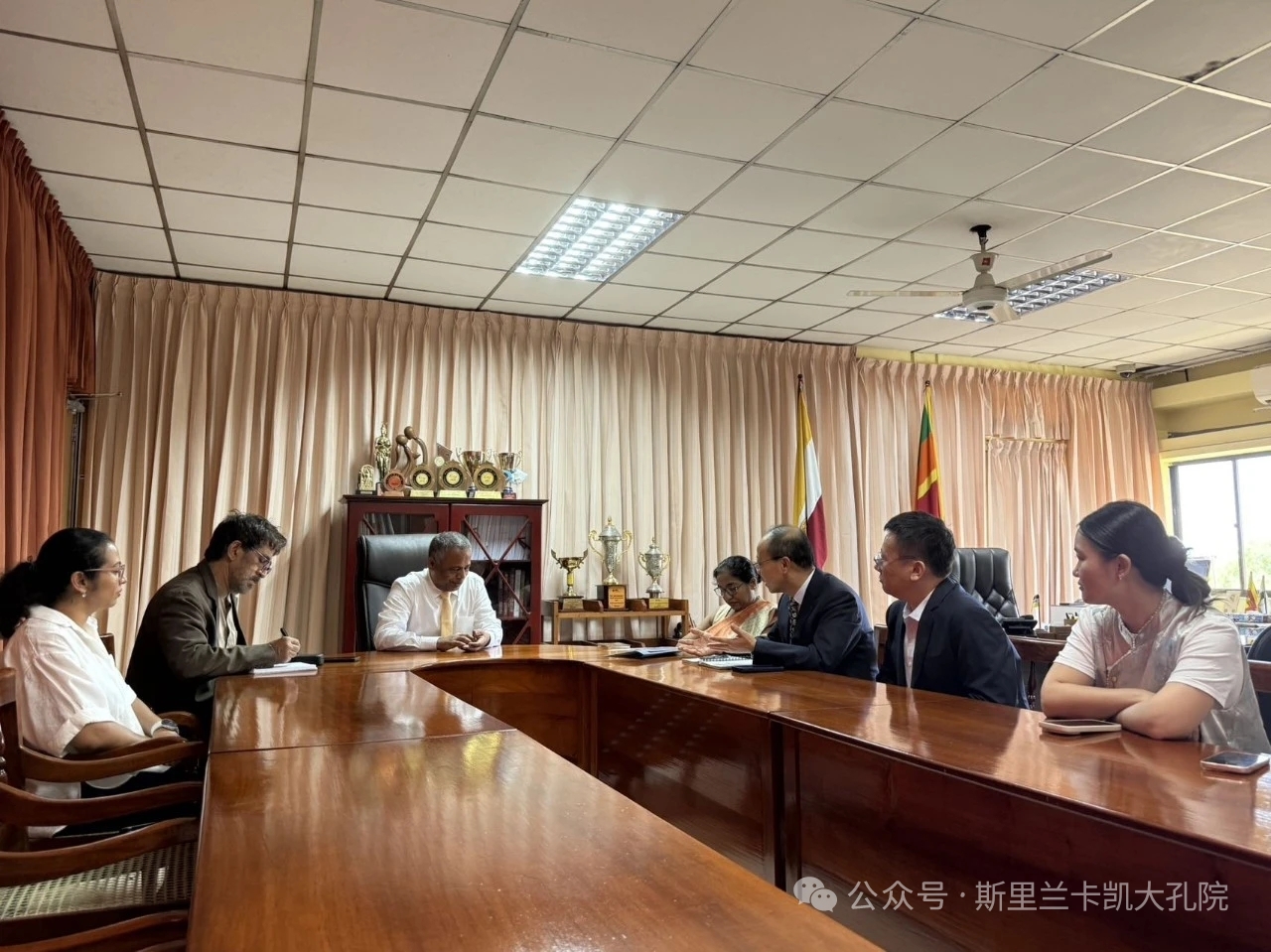
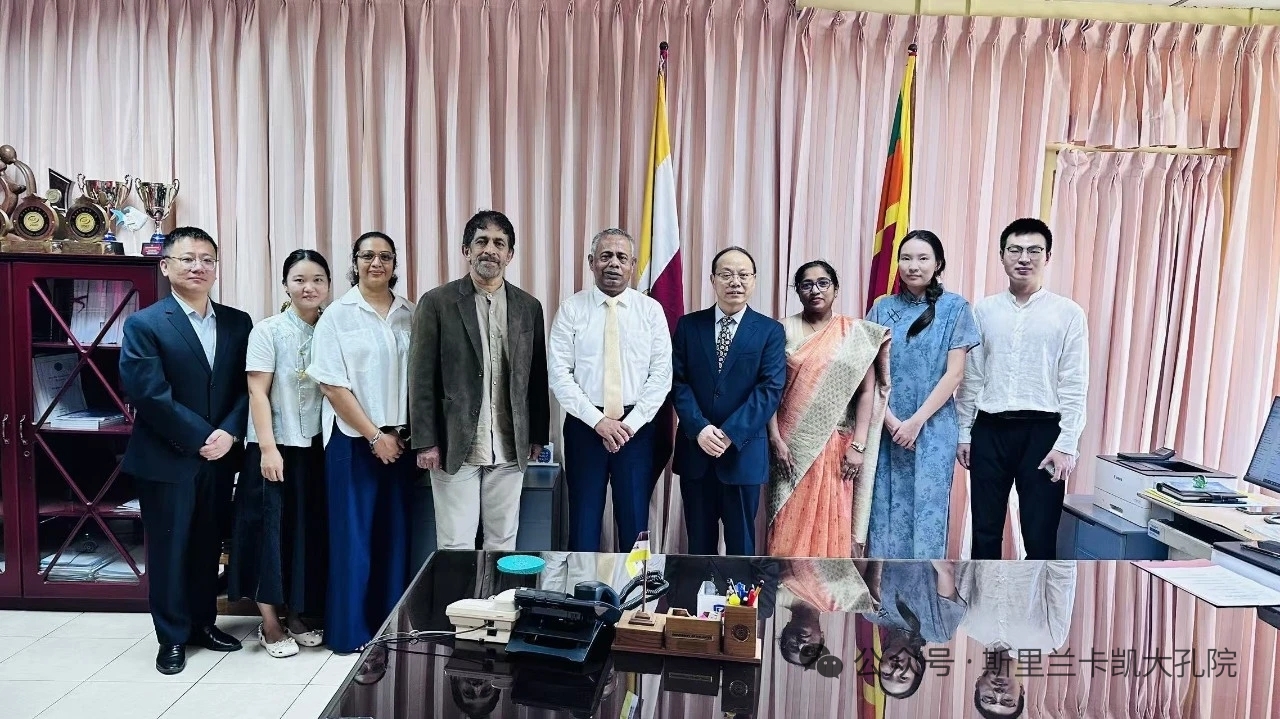
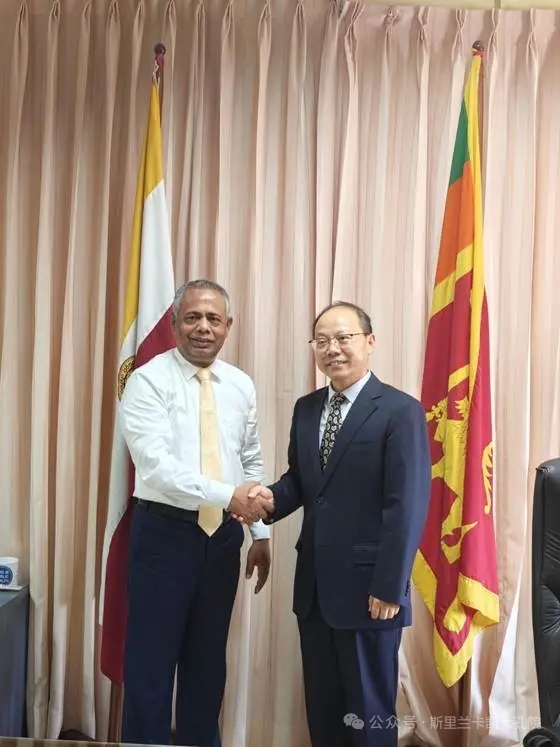
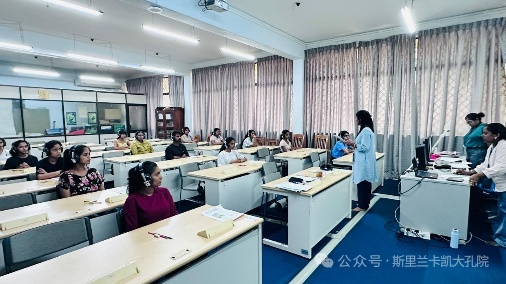
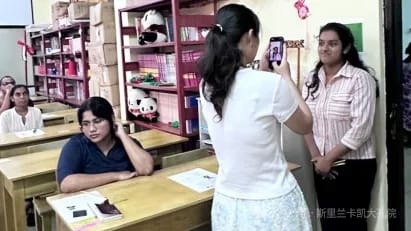
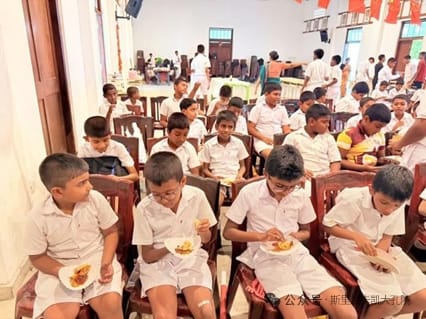
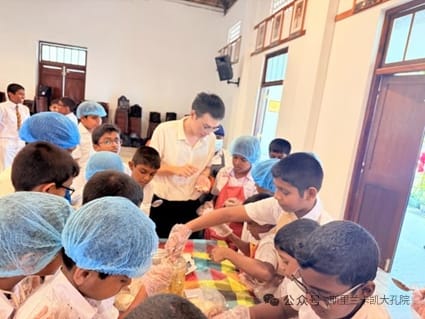
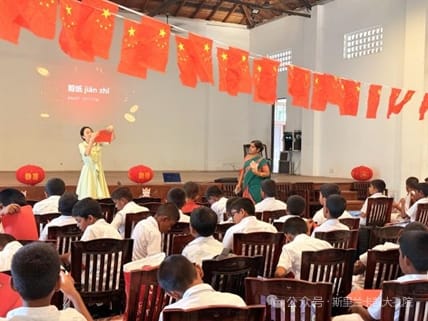
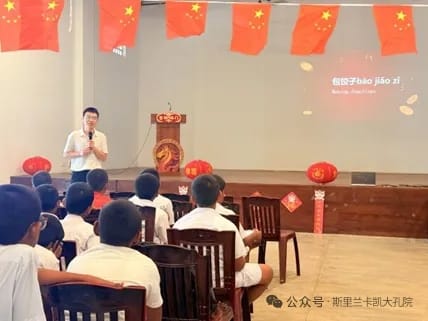
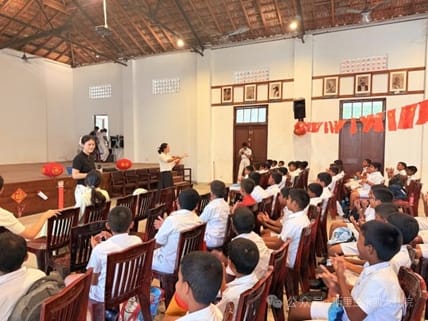
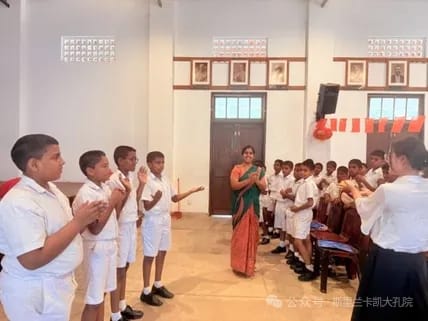
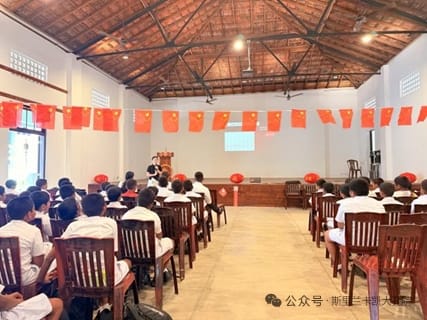
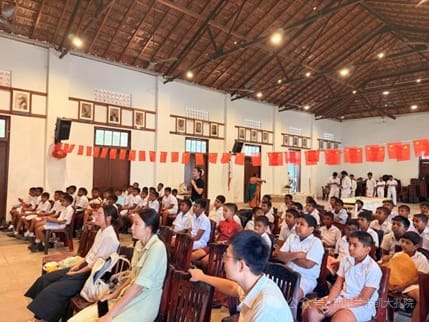
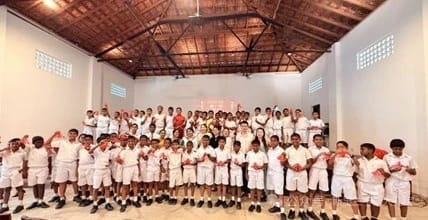
On 10 th March 2026, at the invitation of Ananda College in Colombo, Chinese teachers from the Confucius Institute at the University of Kelaniya visited Ananda Collage to present a lively Chinese New Year cultural experience for students and staff.

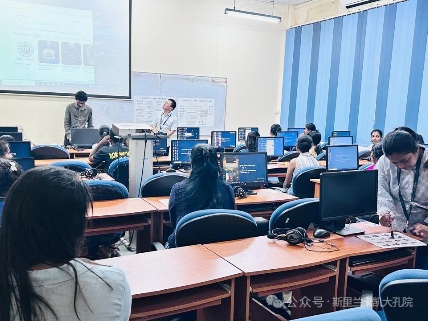
The event began with an engaging presentation, where the teachers introduced the origins, legends, and traditional customs of the Chinese New Year through a vivid PPT. From putting up spring couplets and hanging lanterns to enjoying reunion dinners, students gained an initial understanding of China’s most important traditional festival. To create a festive atmosphere, the teachers led students in singing New Year songs and distributed small red envelopes to encourage participation. Laughter and music filled the room, creating a joyful and energetic environment.

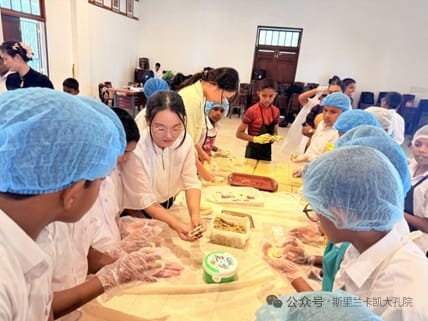
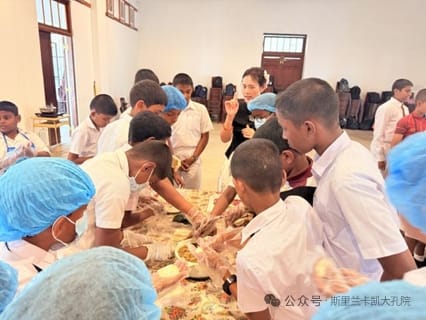
During the dumpling-making session, the teachers demonstrated hand-by-hand techniques for filling and folding dumplings. Students enthusiastically tried their hand at making their own, and although some were a little clumsy at first, everyone carefully completed their dumplings. While waiting for the dumplings to cook, students engaged in paper-cutting activities, creating three-dimensional “春” (spring) characters under the teachers’ guidance. The vibrant red characters came to life, symbolizing good wishes for the New Year.

Finally, when the steaming dumplings were served, students eagerly tasted the results of their efforts and praised the delicious flavors. The event concluded with laughter and smiles, offering students a hands-on experience of traditional customs such as dumpling-making and paper-cutting. Beyond the activities, it deepened students’ understanding and appreciation of Chinese culture, sparked interest in learning the Chinese language in future.

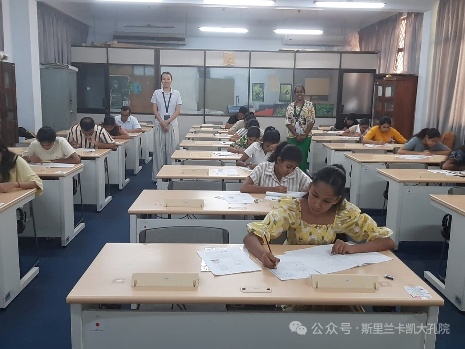
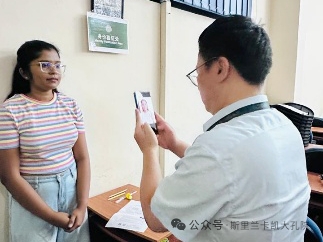
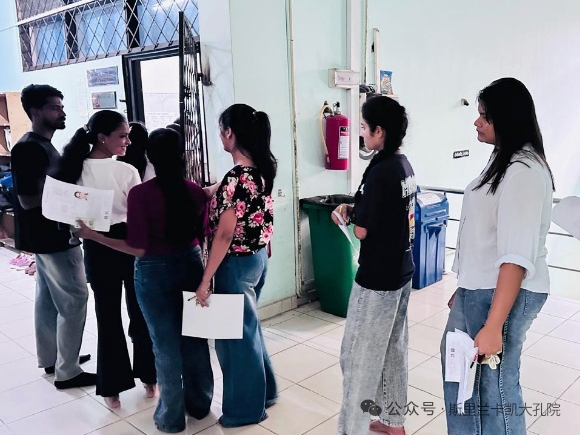
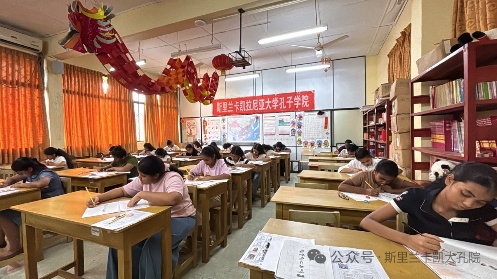
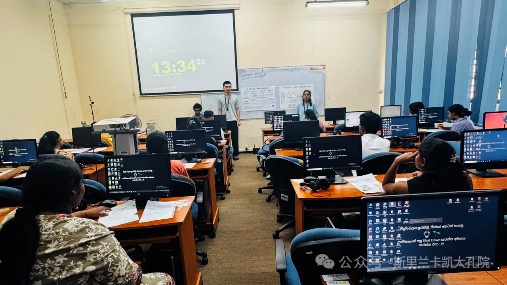
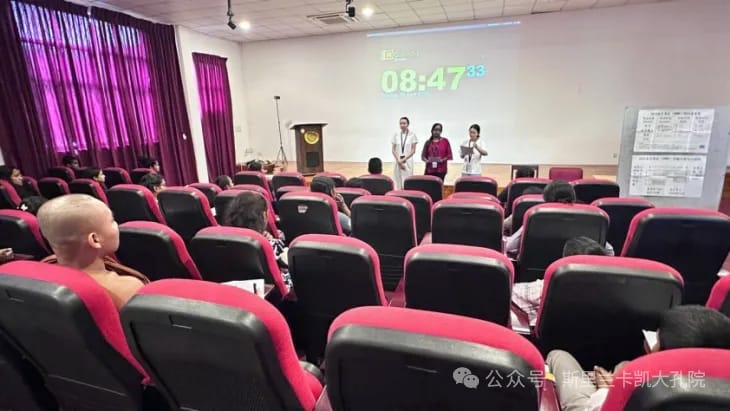
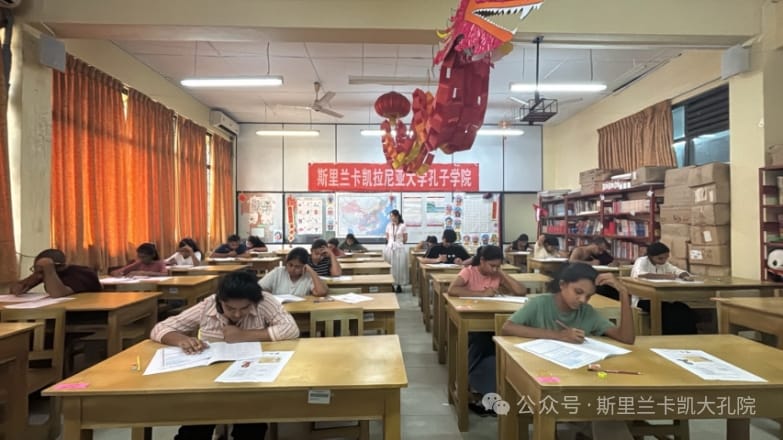
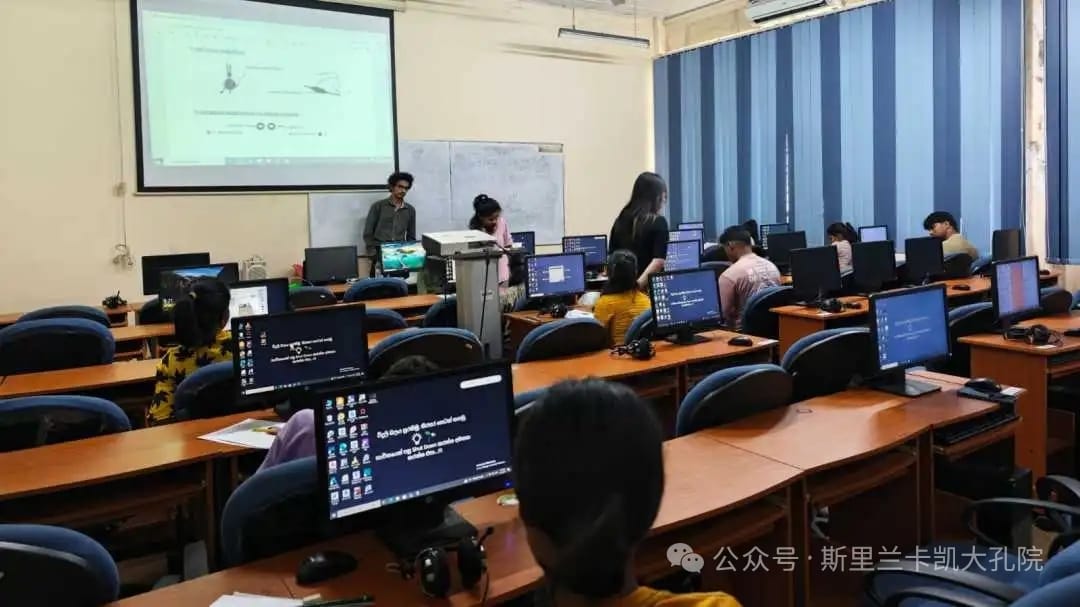
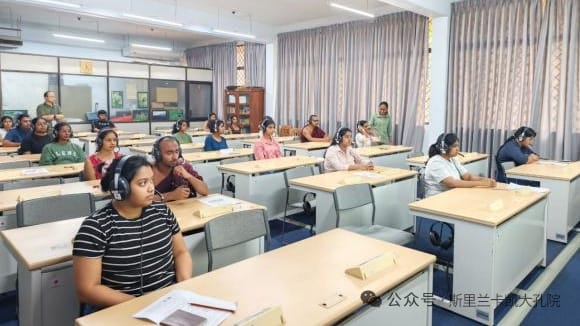
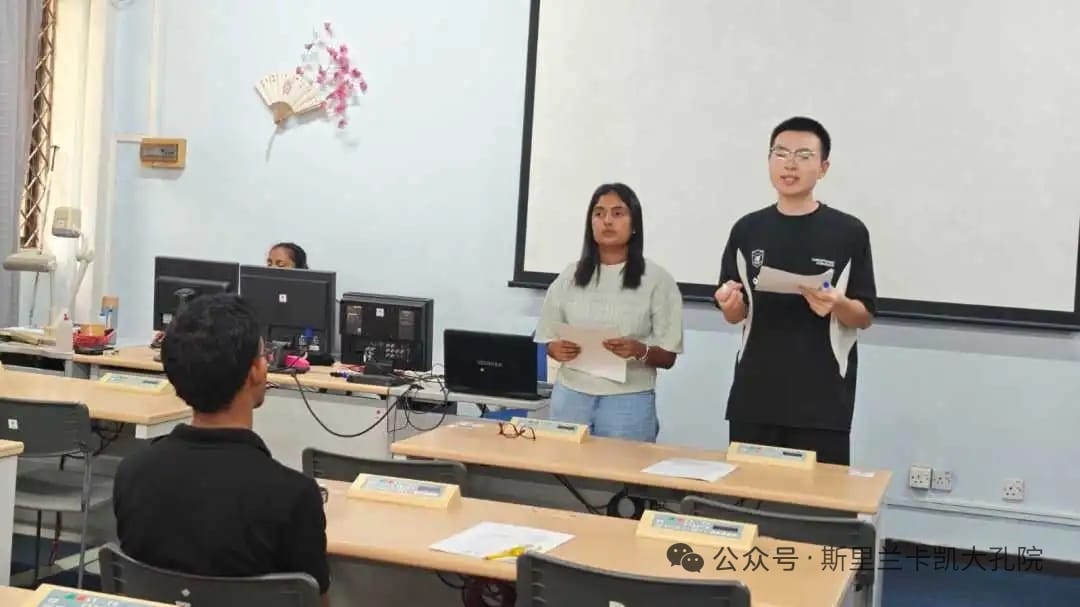
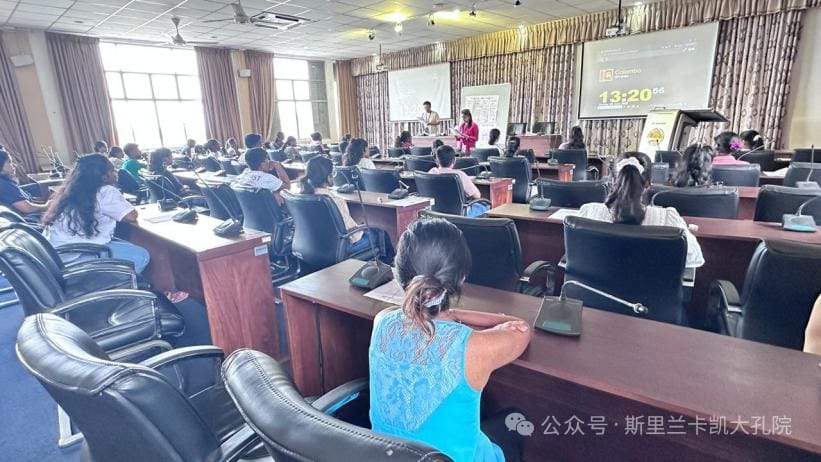
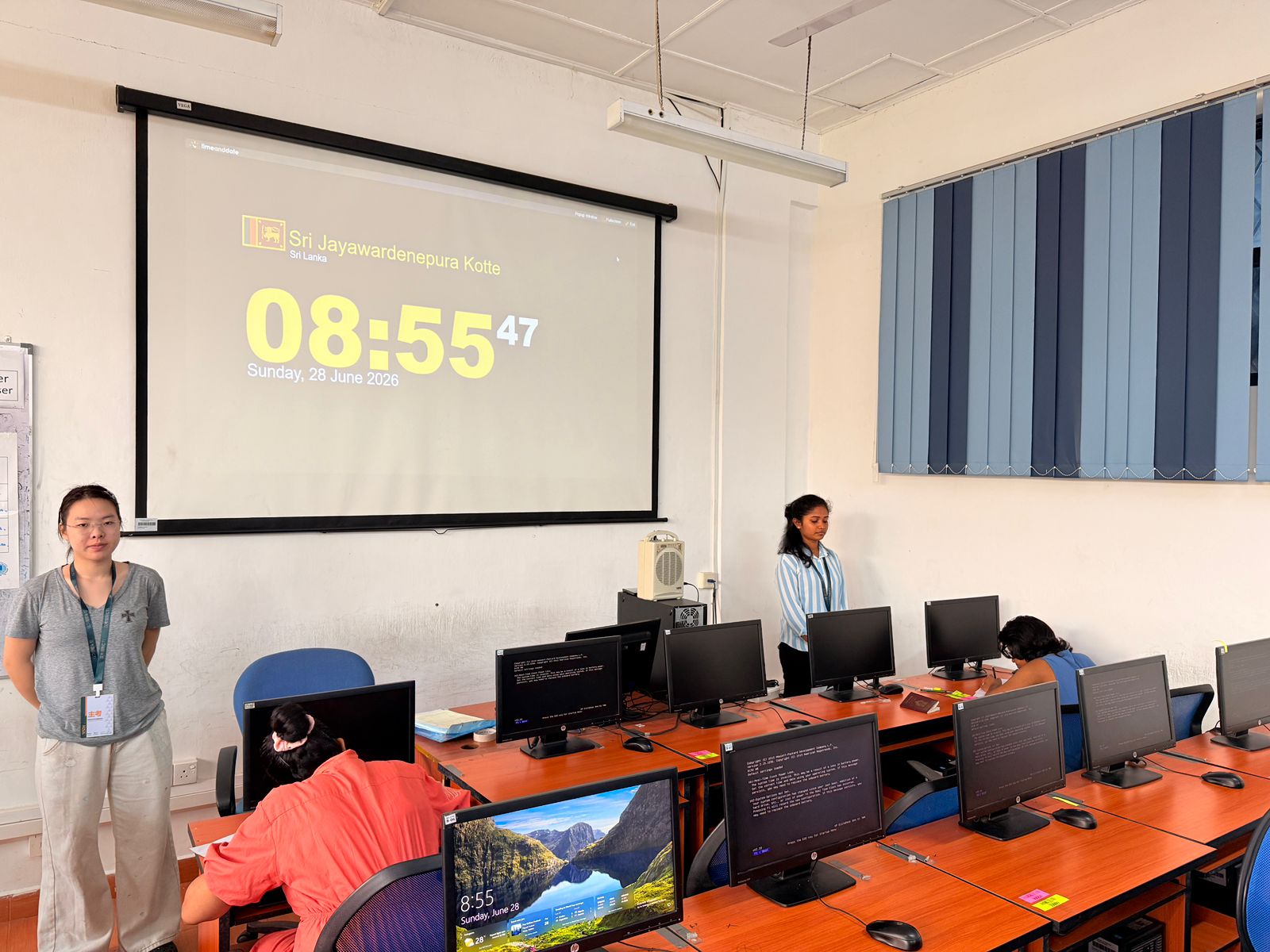
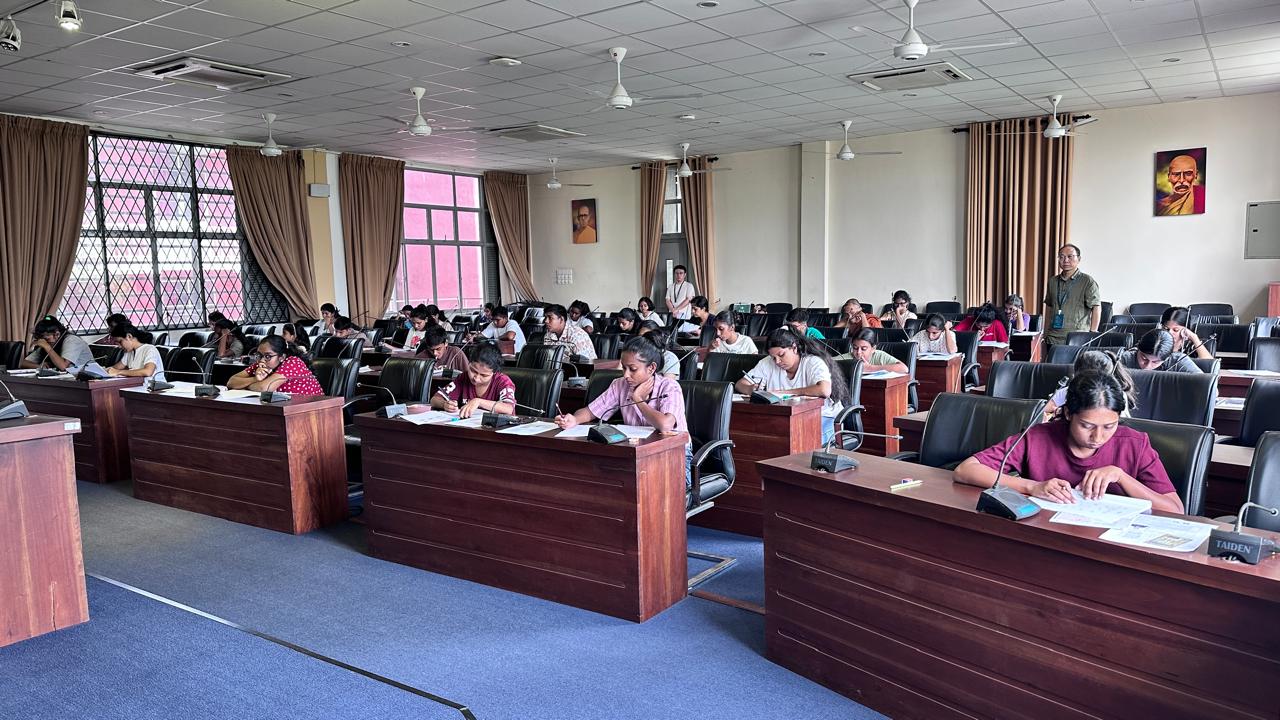
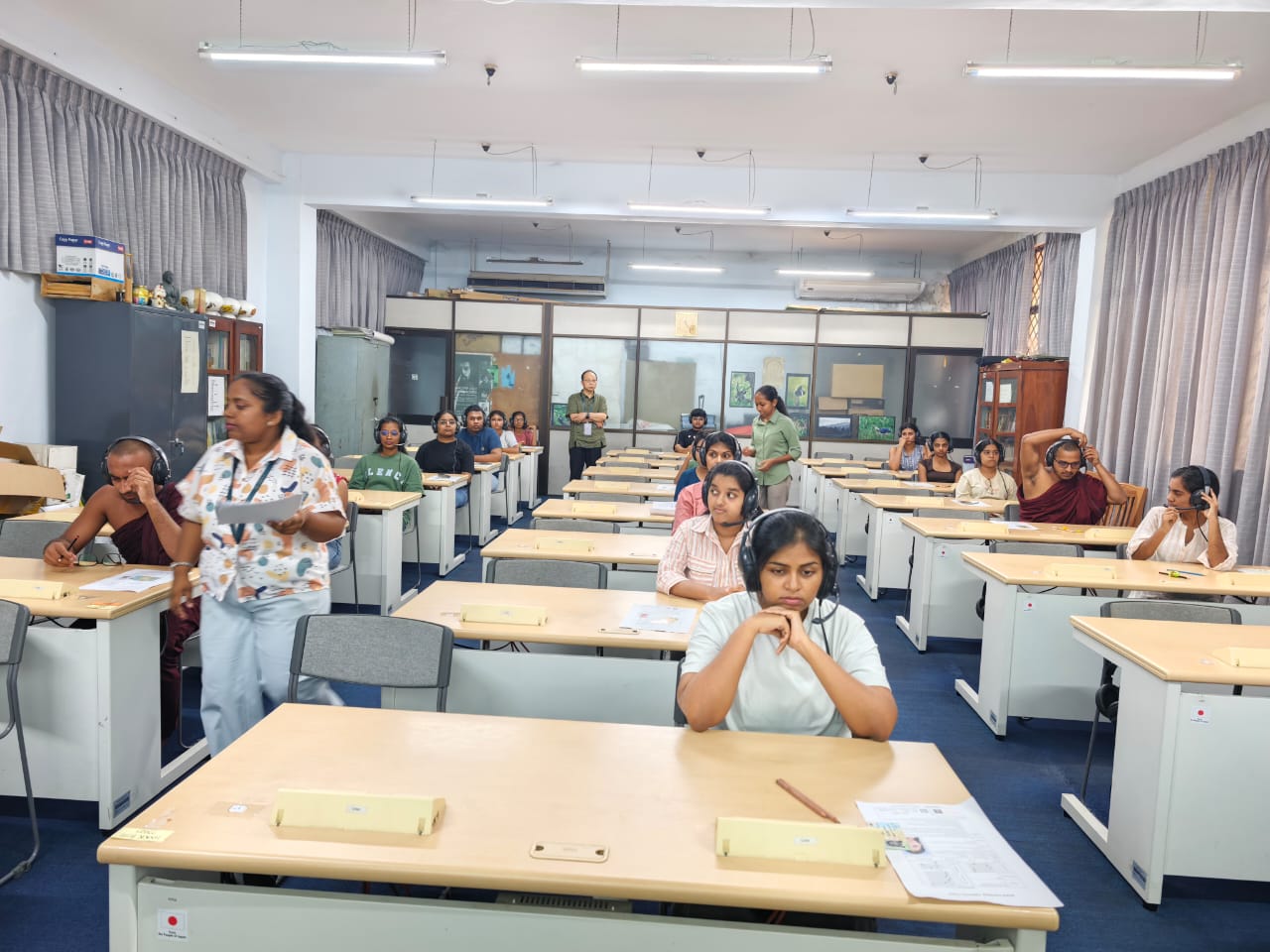
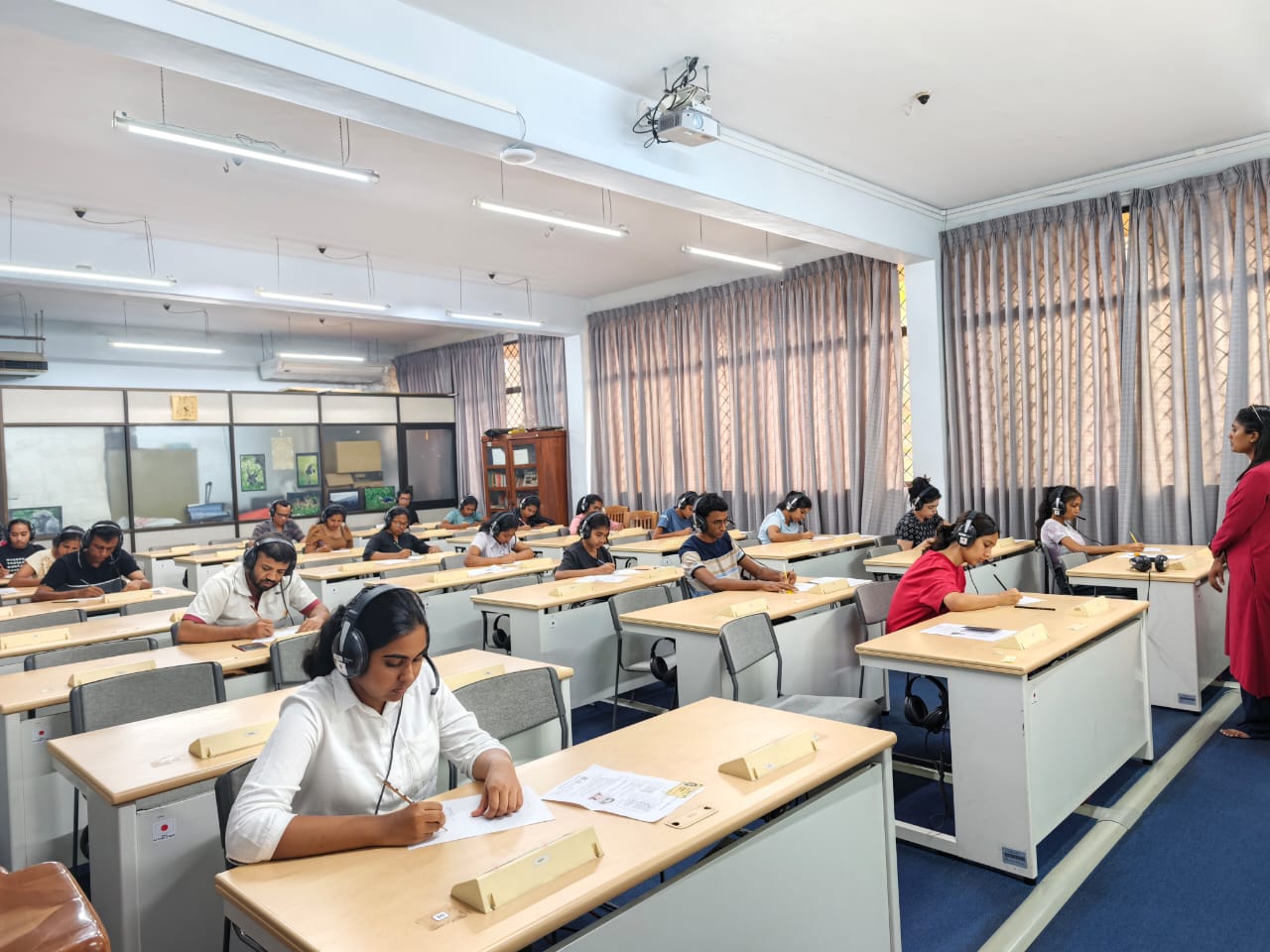
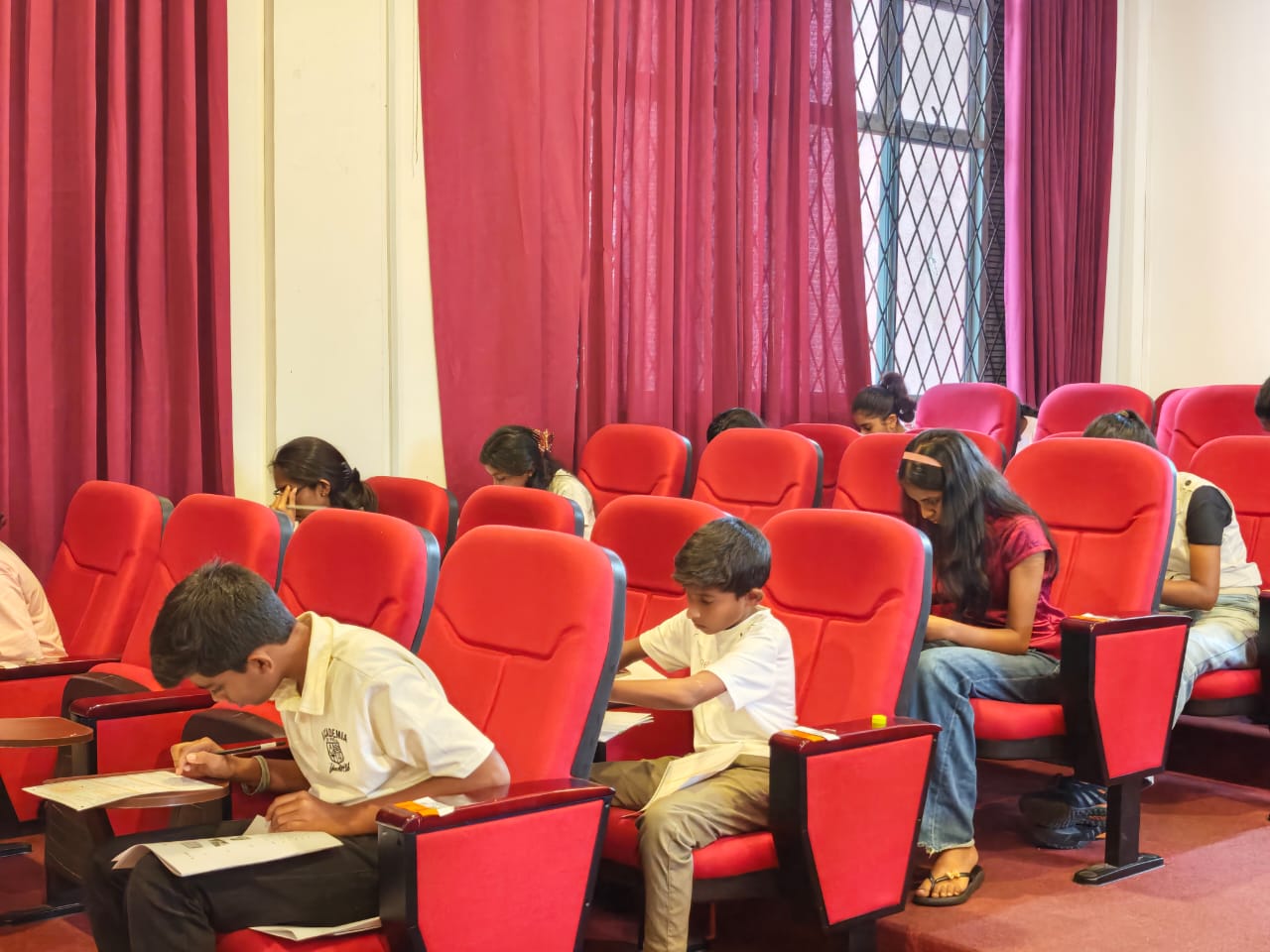
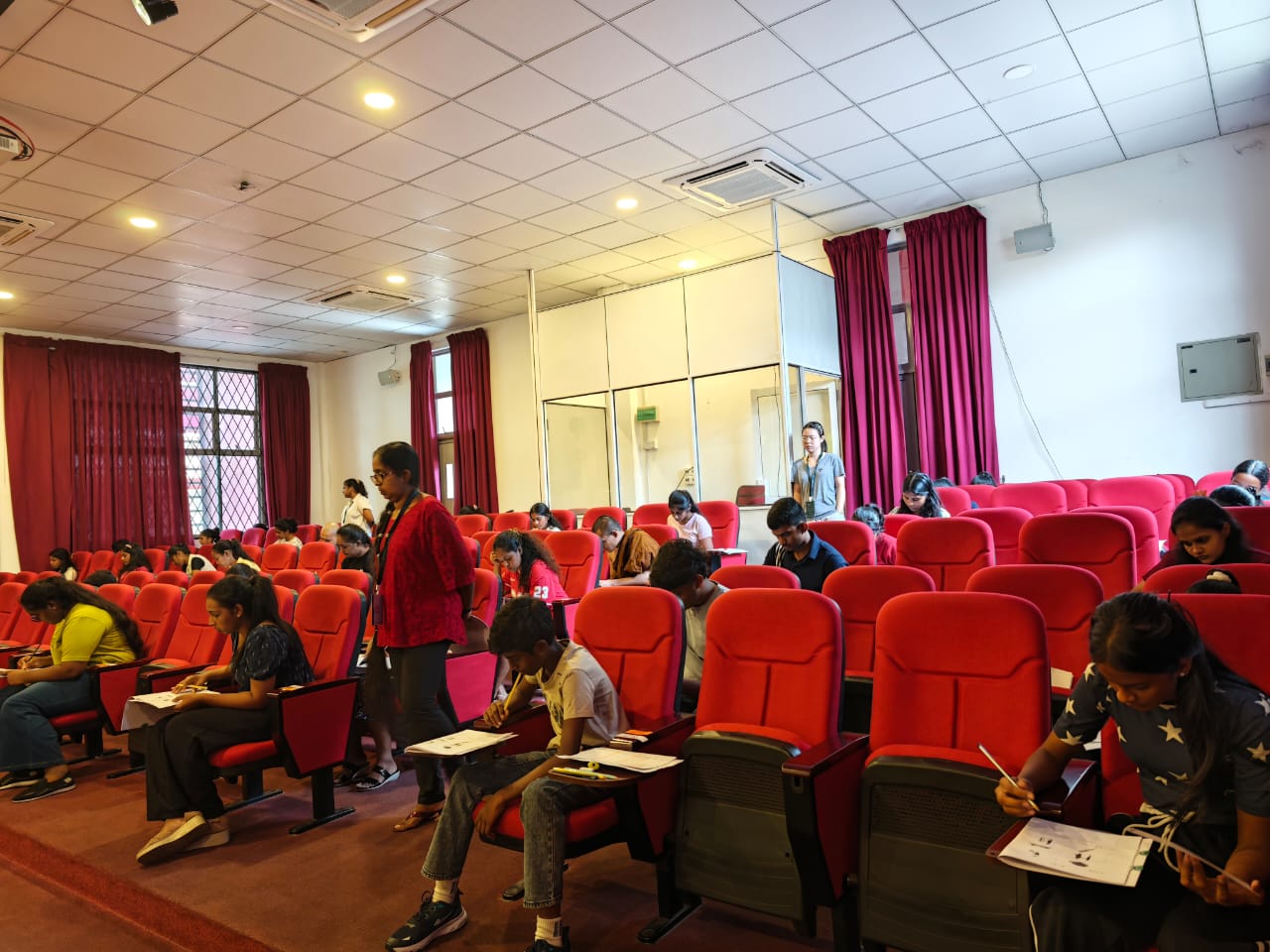
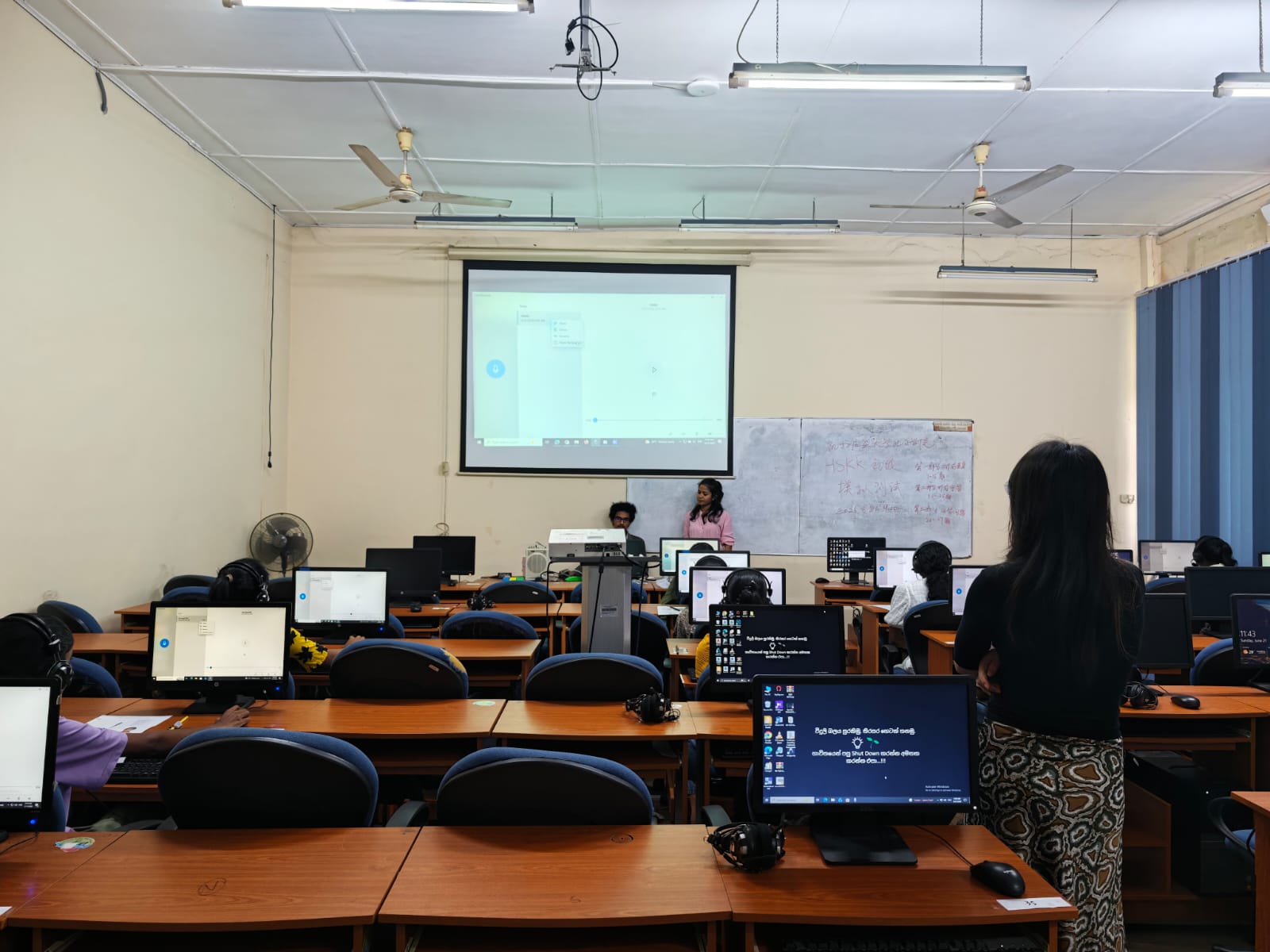
On 25th of February, the Confucius Institute at the University of Kelaniya successfully hosted the 2026 preliminary round of the 25th “Chinese Bridge” World University Student Competition alongside the Chinese New Year Talent Competition.

The event featured two main segments: Chinese language speeches and Chinese cultural talent showcases, attracting nearly 100 enthusiastic participants along with their family and friends. In the speech segment, contestants presented on the theme “One World, One Family.” Some spoke with passion and expressiveness, while others delivered their talks with careful precision; some shared personal experiences and reflections on learning Chinese, while others discussed the vision of a harmonious world through the Chinese language. Regardless of style or fluency, every participant demonstrated a genuine love for the Chinese language. In the Talent segment, contestants showcased their deep understanding and personal interpretations of Chinese culture through melodious Chinese songs and elegant, dynamic Chinese-style dances. Performances included graceful peacock dances, the flowing movements of Tai Chi sword routines, and powerful martial arts demonstrations, each earning enthusiastic applause and energizing the audience.

In the paper-cutting segment, contestants worked against the clock, displaying exquisite skills to produce intricate artworks within the allotted time. Meanwhile, students in the painting segment used brush and ink to depict the serene landscapes of China, capturing the subtle elegance and spirit of the East and adding a rich artistic dimension to the competition.

After a full day of intense performances, the judges awarded one first prize, two second prizes, three third prizes, and fifteen excellence awards, with the award ceremony held later that afternoon.

During the ceremony, Dr. Wu Hongyuan, Chinese Director and Mrs. Sulochana Rathnayake, Sri Lankan Director of the Confucius Institute, , emphasized that learning Chinese requires consistent effort and long-term dedication. They also expressed sincere gratitude to all participants and staff whose hard work made the competition possible, as well as to the university administration and the Faculty of Humanities for their continued support of the Confucius Institute’s activities. Following this, Dr. Sudath Senerath, the Dean of the Faculty of Humanities, highlighted the significance of the competition in promoting Chinese language learning and deepening understanding of Chinese culture among Kelaniya University students. He also acknowledged Dr. Wu Hongyuan’s years of dedicated service, which have enriched university culture and strengthened China–Sri Lanka cultural exchange.

The overall winners were then announced. First place was awarded to first-year Chinese major student Vihini Methdini. Second place won by first-year Chinese major student Sayui Dahamna and Himanshi Kavindya. Third place was shared by first-year Chinese major student Hansani Sathsarani and Nipuni Rasangi, as well as third-year Chinese major student Pabasara Sewwandi. The competition concluded successfully, and the Confucius Institute extends its heartfelt wishes for a prosperous Year of the Horse to all participants and students, encouraging them to achieve even greater success in their Chinese language studies.

The Chinese Spring Festival Celebration marking the Chinese New Year was successfully held on 9th February 2026 at Shangri-La Colombo, bringing together distinguished guests from Sri Lanka and China to celebrate one of the most important traditional festivals in Chinese culture. This year’s celebration welcomed the Year of the Horse according to the Chinese zodiac. The event was hosted by the Embassy of the People’s Republic of China in Sri Lanka and attended by diplomats, government officials, scholars, business leaders, and members of the Chinese community.

The reception was graced by the Chinese Ambassador to Sri Lanka, Mr. Qi Zhenhong, along with several Sri Lankan ministers, and representatives from academic and cultural institutions. The gathering served as an important platform to strengthen the longstanding friendship and cooperation between China and Sri Lanka while celebrating the rich traditions of the Chinese Spring Festival.

During the event, Ambassador Qi Zhenhong extended warm New Year greetings to all attendees and highlighted the continuous development of China–Sri Lanka relations in areas such as cultural exchange, education, trade, and tourism. He also emphasized the importance of mutual understanding and people-to-people connections in further deepening bilateral cooperation.

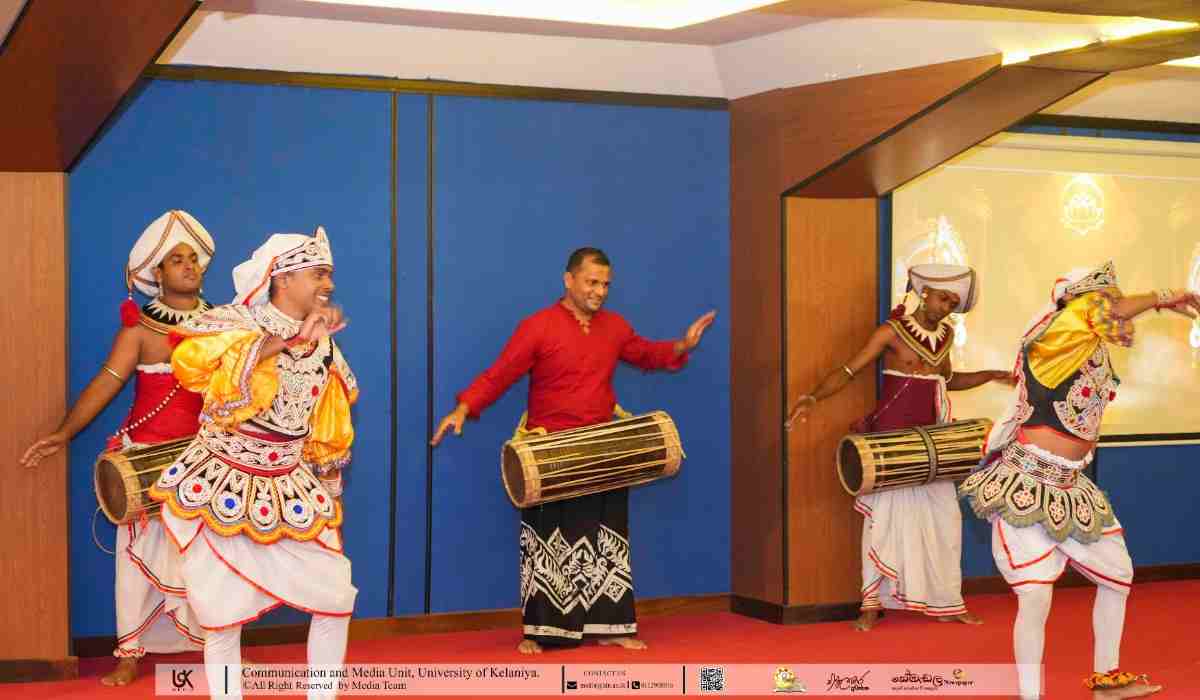
The reception featured a vibrant cultural program showcasing traditional Chinese performances. Guests enjoyed various artistic presentations including Chinese music, dance, martial arts demonstrations, and the famous Sichuan Opera face-changing performance. These performances provided the audience with an opportunity to experience the charm and diversity of Chinese culture.

Another exciting highlight of the evening was the lucky draw organized for the guests. Several rounds of drawing lots were conducted during the event, allowing many attendees the opportunity to win gifts and souvenirs. The special and final prize of the evening was awarded to Ms. Buddhima Patali from the Confucius Institute at the University of Kelaniya, and her achievement brought pride to the Confucius Institute and added a joyful moment to the celebration.

The celebration of the Spring Festival in Sri Lanka reflects the growing cultural ties between the two countries and promotes greater appreciation of Chinese traditions among the Sri Lankan public. Such events continue to play an important role in strengthening cultural exchange and friendship between China and Sri Lanka.

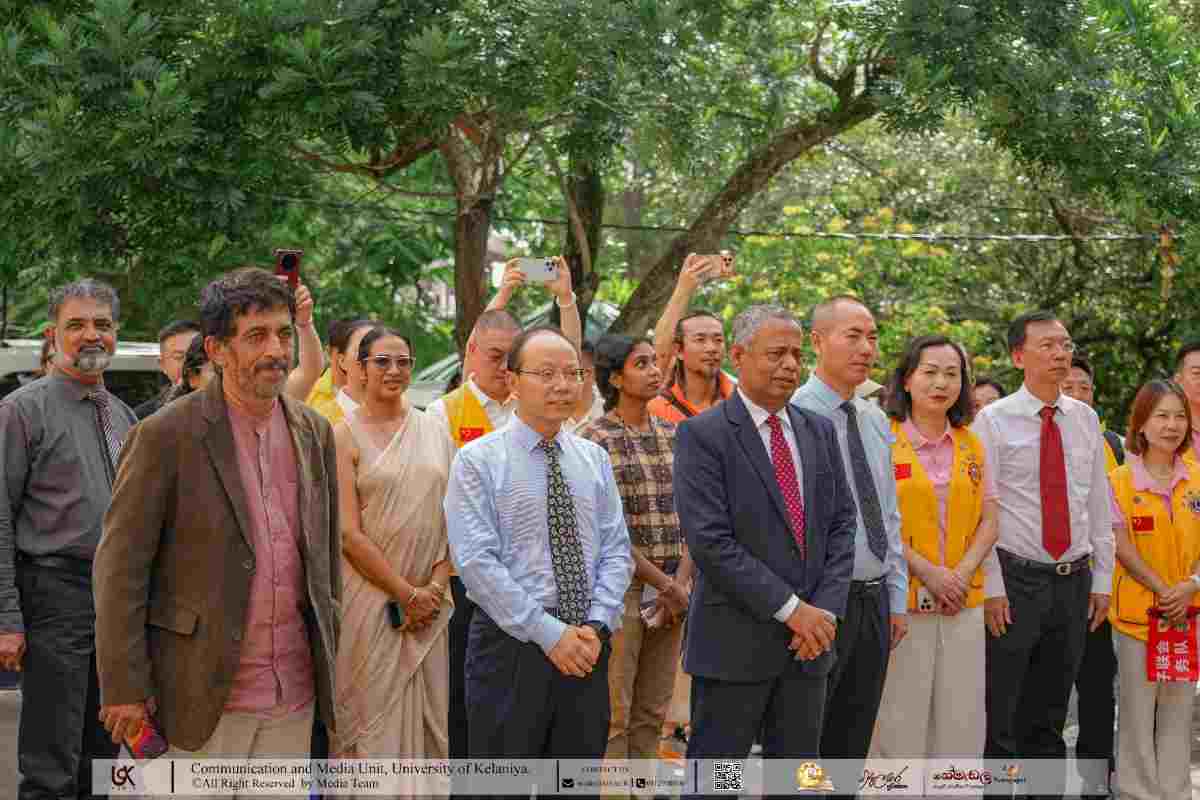
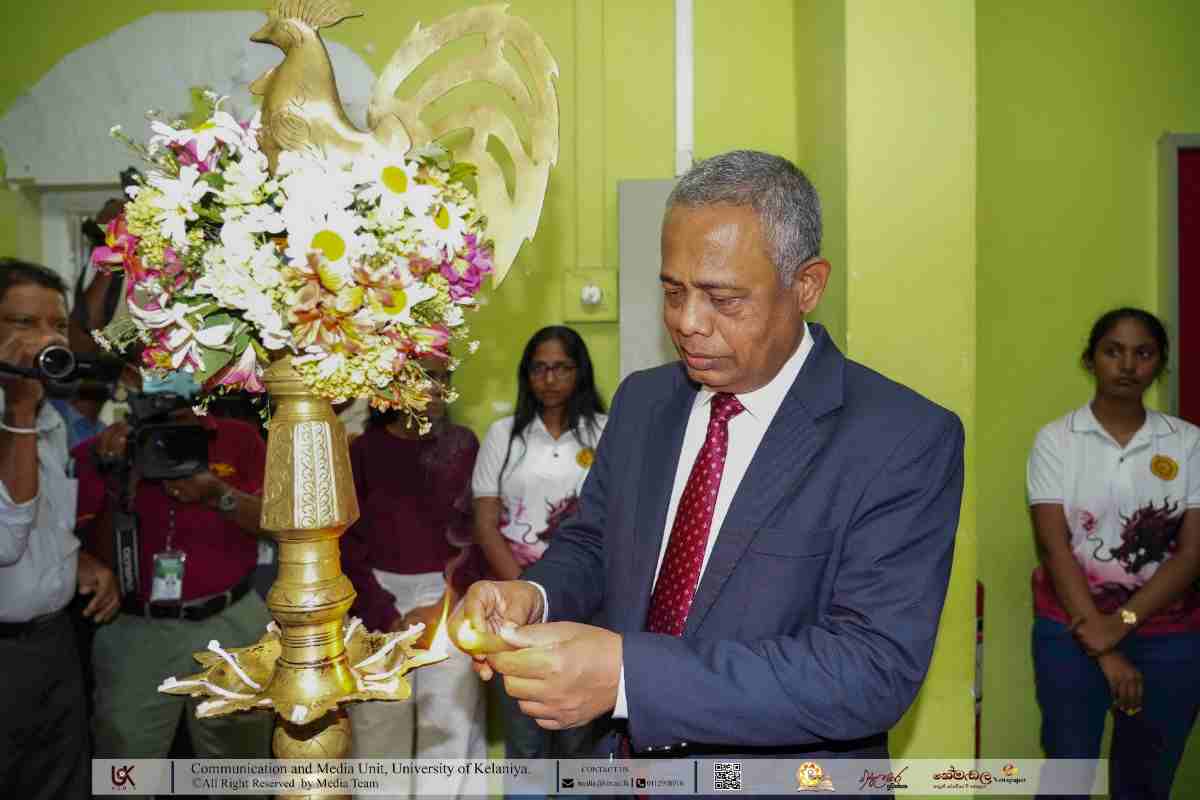
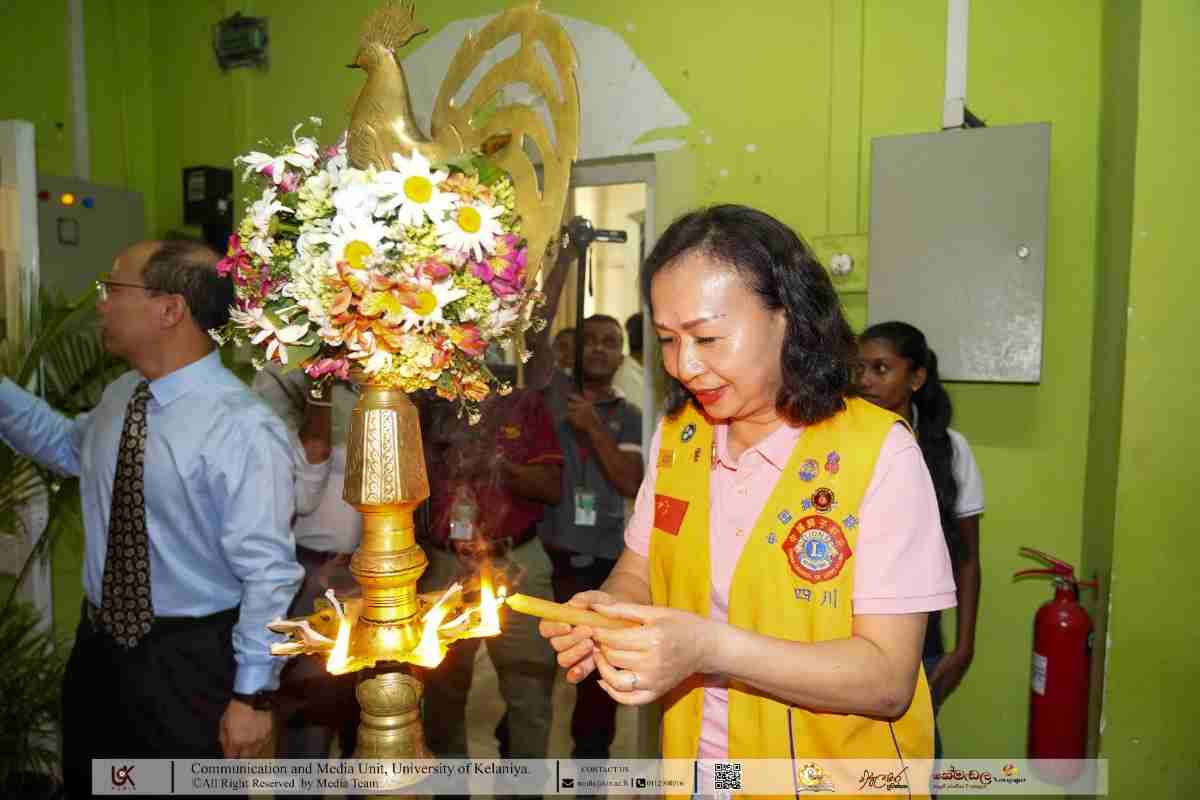
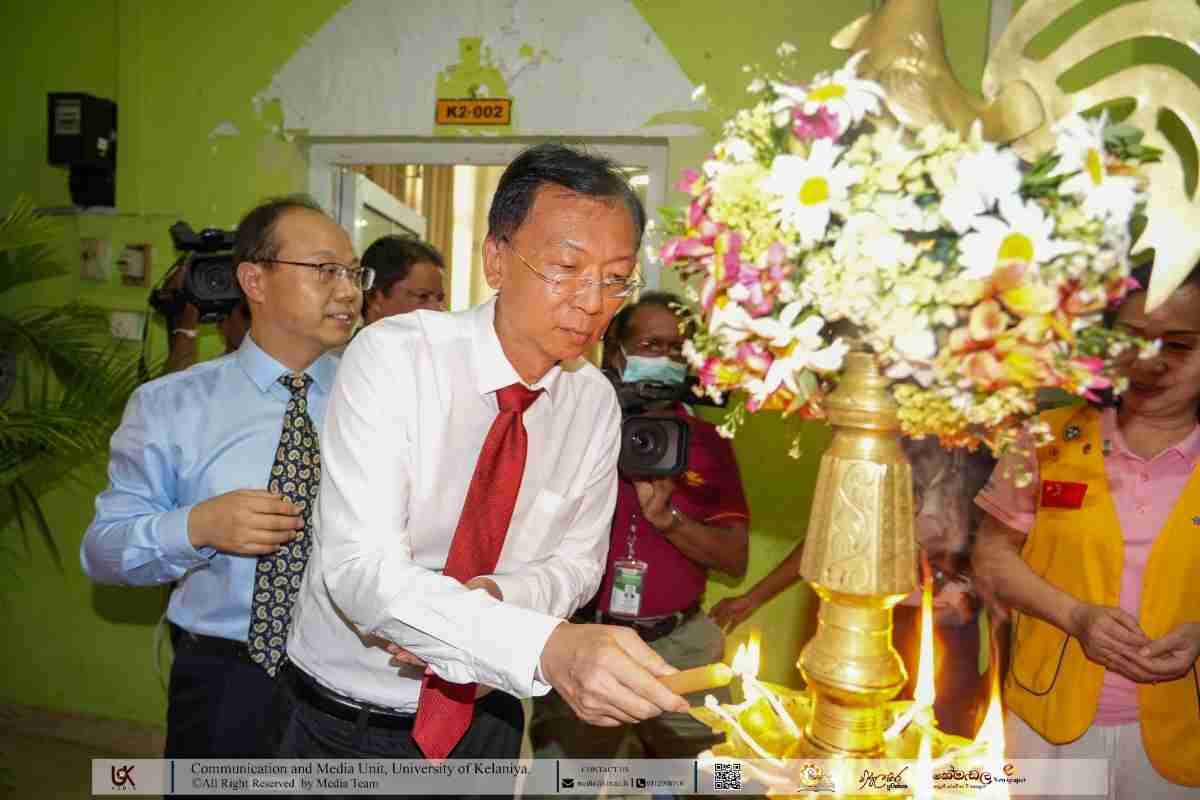
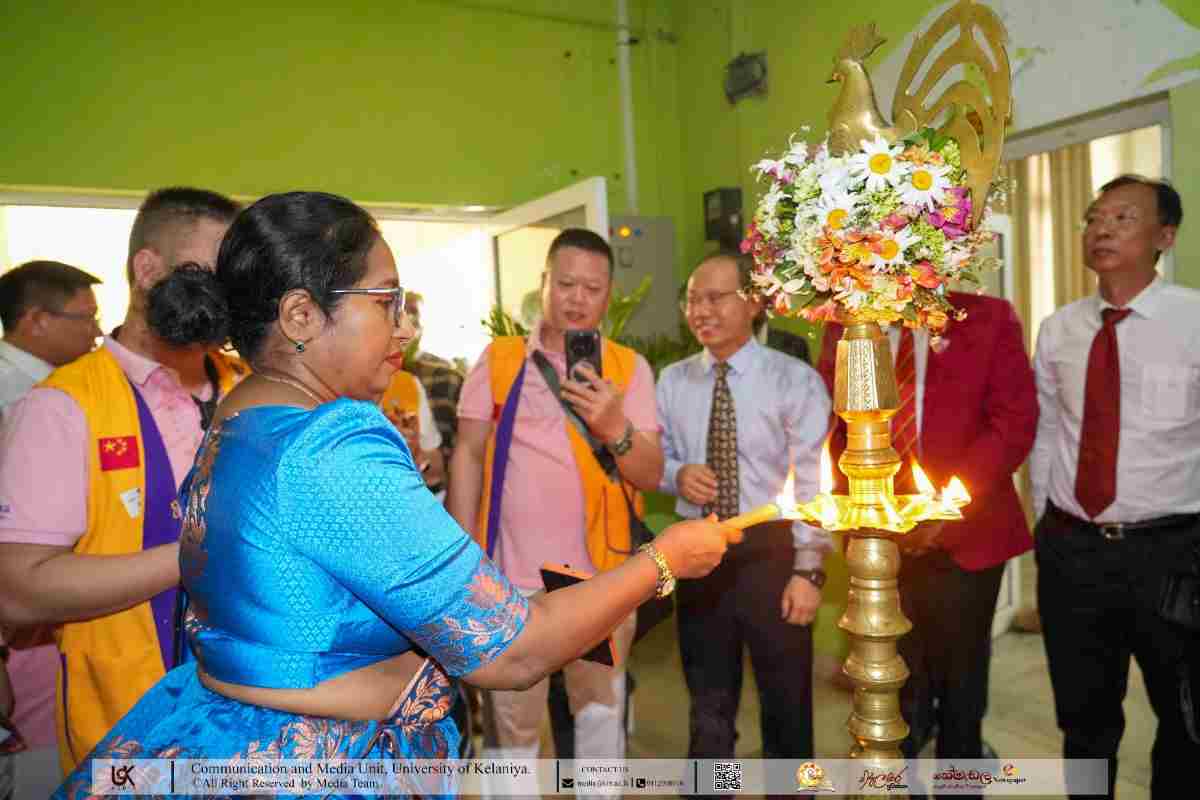
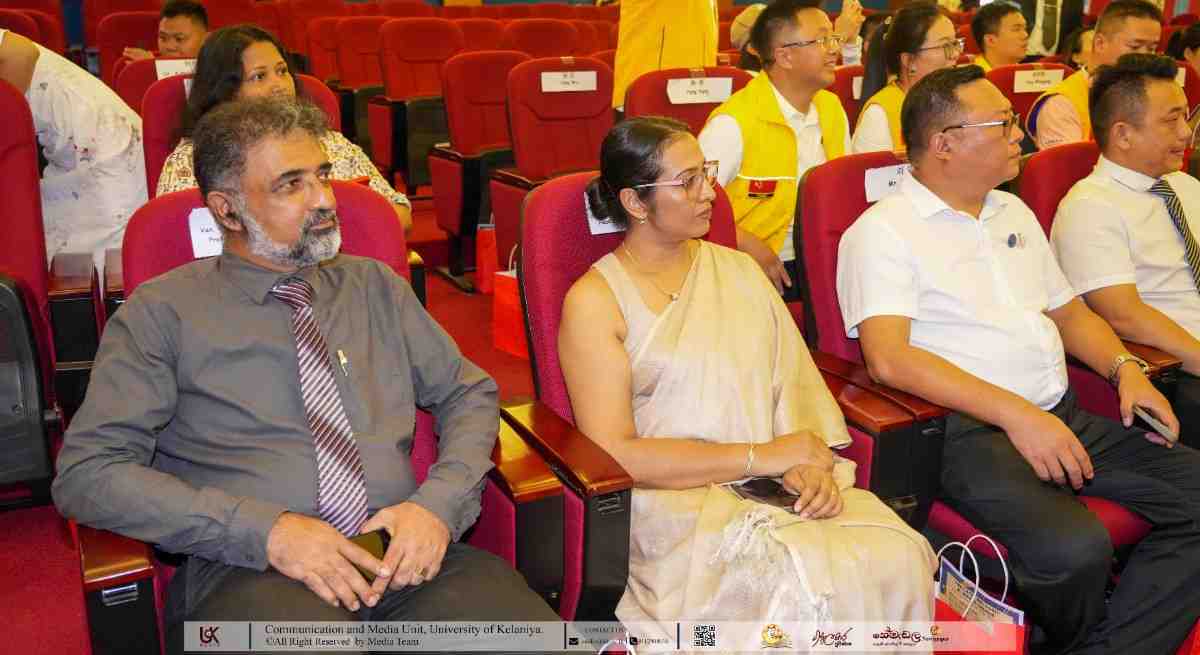
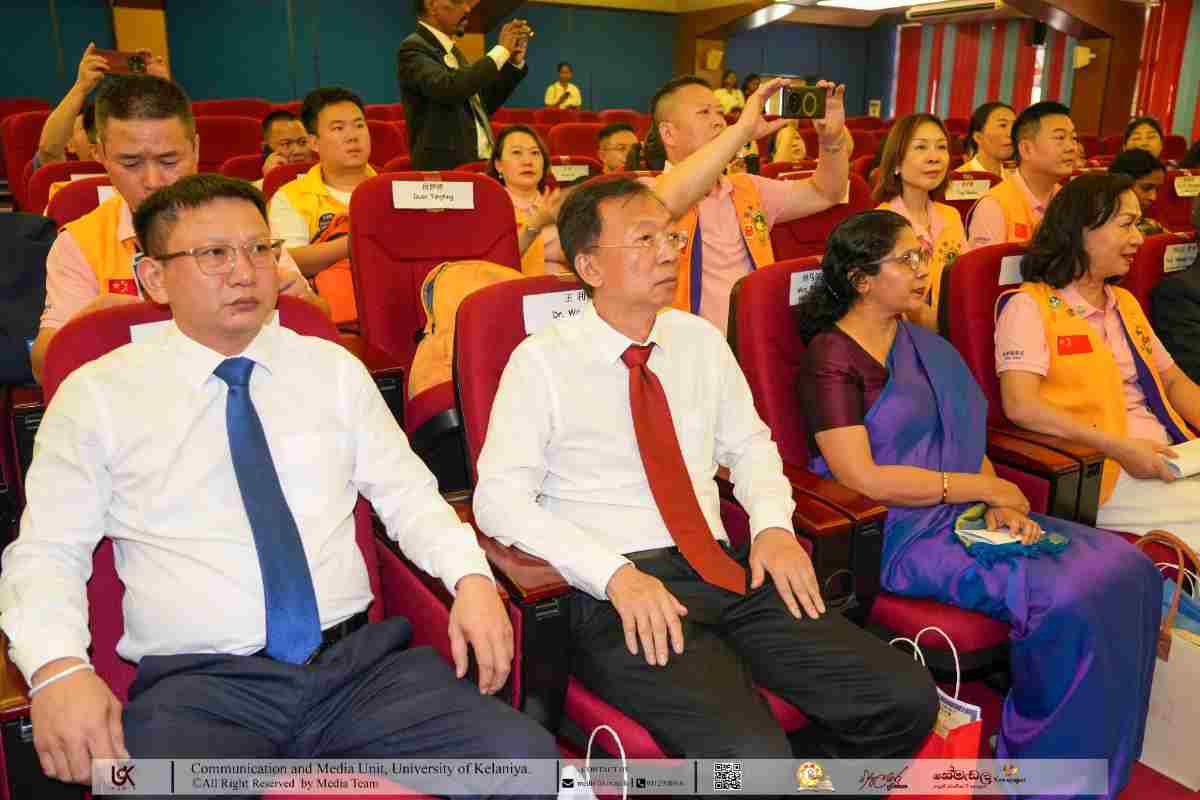
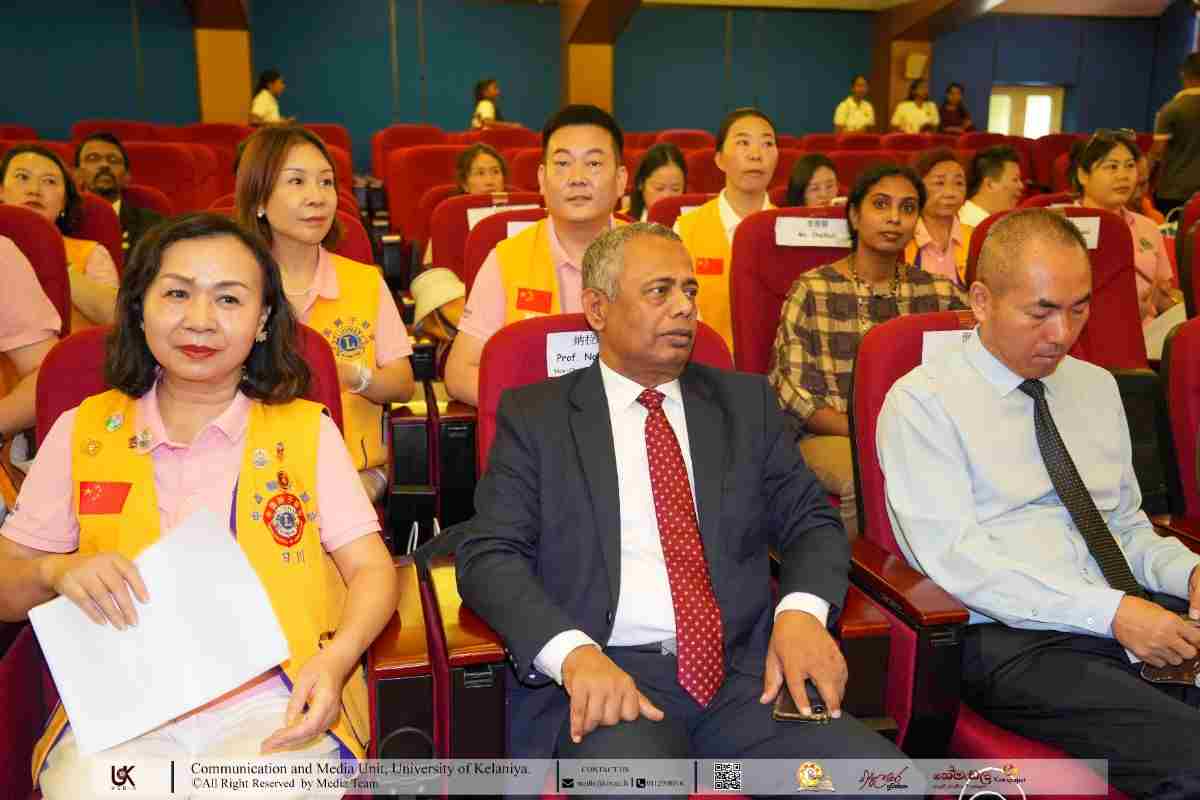
On February 11, the Confucius Institute at the University of Kelaniya organized the 2026 Chinese New Year Cultural Carnival. The event attracted over a thousand participants, including university staff and students, weekend class students of the Confucius Institute, as well as members of the local Chinese community. The distinguished invitees of the cultural show included Dr. Sudath Senarath, Dean of the Faculty of Humanities at the University of Kelaniya, and Venerable Senior Professor Nadalagamuwe Dhammadina Thero, Head of the Department of Modern Languages.

Featuring authentic Chinese cuisine, traditional festive games, and immersive Hanfu experiences, the carnival received widespread praise. The venue was bustling with crowds, exuding a vibrant and festive Chinese New Year atmosphere. At the food tasting and sales area, the aroma of Chinese delicacies filled the air. Popular dishes such as bobo chicken, mango sago dessert, Chongqing noodles, cabbage and chicken dumplings, and chive and egg dumplings were highly sought after. Professional chefs from China State Construction South Asia Company also contributed to the event by preparing signature dishes including spicy chicken and “wolf-tooth” potatoes. The spicy chicken, crispy on the outside and tender inside with a rich, numbing flavor, and the golden, crispy potatoes with a lingering taste, were widely praised and eagerly enjoyed by attendees.

First-year Chinese major students actively participated according to their interests and strengths, joining different food preparation groups. In the dumpling group, teachers and students worked entirely by hand—from kneading dough and rolling wrappers to mixing fillings and wrapping dumplings—producing over 800 dumplings within four hours. Meanwhile, batches of mango sago dessert were continuously prepared, Chongqing noodles were cooked one after another, and plates of bobo chicken were quickly assembled. Long queues formed as participants eagerly waited to taste the food, with demand far exceeding expectations. Despite the busy workload—kneading dough, serving dishes, handing out bowls, and packing food—everyone remained cheerful and fully engaged.

The game interaction area was equally lively. Activities such as pitch-pot (a traditional Chinese game), picking up red envelopes with chopsticks, and the “draw square and circle” challenge creatively combined traditional customs with fun challenges, attracting large numbers of participants. Second-year Chinese major students carefully planned and organized these activities, from material preparation to on-site coordination, ensuring an enjoyable experience for everyone involved.

From students to faculty members, from the cool morning to the hot midday, every participant contributed their efforts and energy to the success of the event. This Chinese New Year celebration was not only a cultural feast but also a vivid, hands- on lesson in traditional Chinese culture. Looking ahead, the Confucius Institute will continue to use festivals as a platform and experiential activities as a bridge to promote cultural exchange and mutual understanding between China and Sri Lanka, enabling more Sri Lankans to learn about and appreciate Chinese culture.

Finally, the Confucius Institute at the University of Kelaniya extends its best wishes for the Year of the Horse. May the warmth created in every shared moment grow into something vast and enduring, carrying us forward into a bright new journey.

© COPYRIGHT RESERVED BY UNIVERSITY OF KELANIYA - SRI LANKA. DESIGN BY ICT CENTRE OF UOK.

Search