
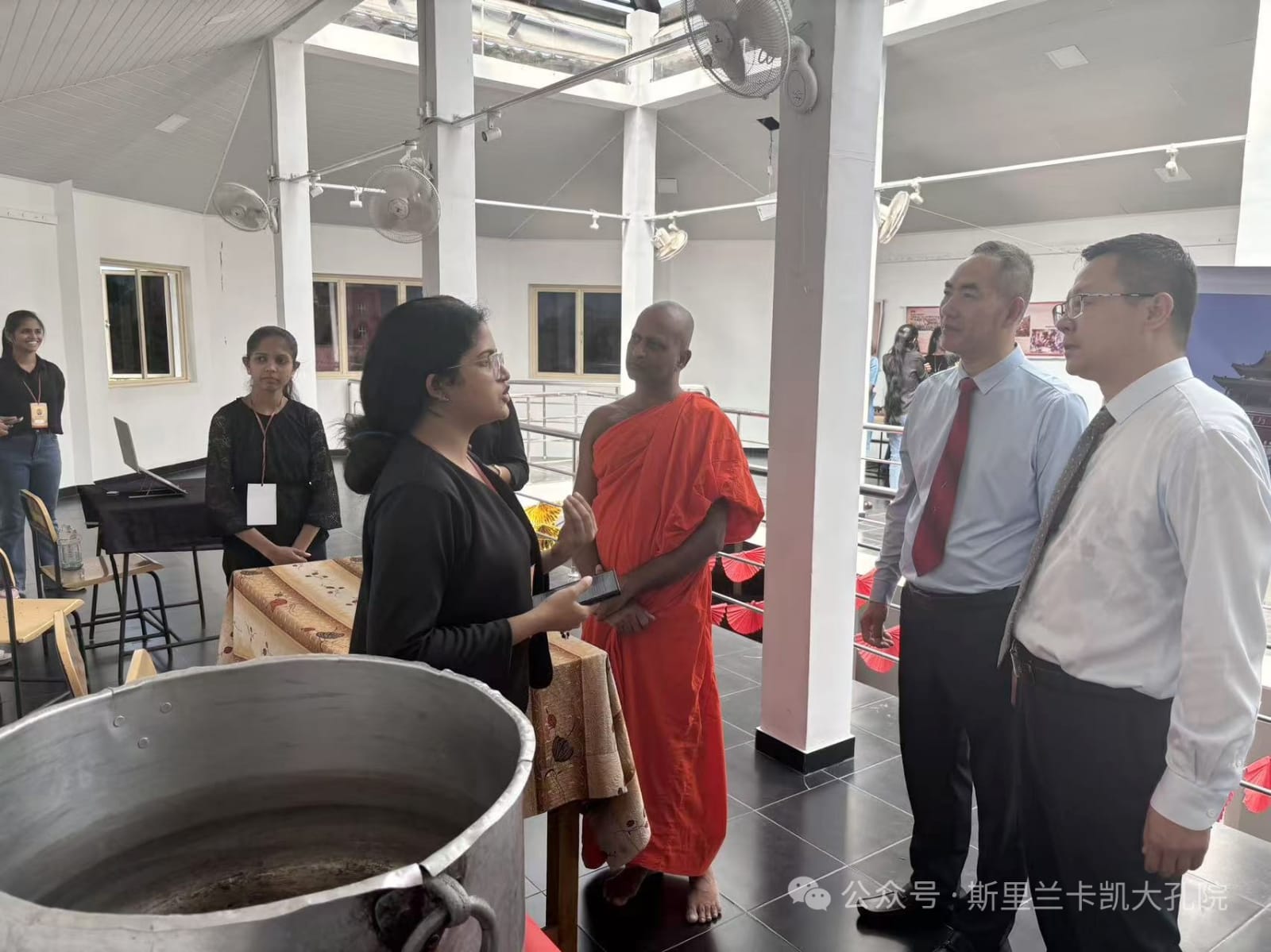
On February 23rd 2026, a unique classroom event titled “Journey Through Time: A Cultural Exhibition of Chinese Civilization” was organized by special second-year Chinese language major students at the University of Kelaniya, in collaboration with the Confucius Institute . The exhibition was part of their language learning curriculum, designed to encourage participants to explore China’s long history and modern achievements through creative projects, while enhancing their language skills and intercultural understanding.
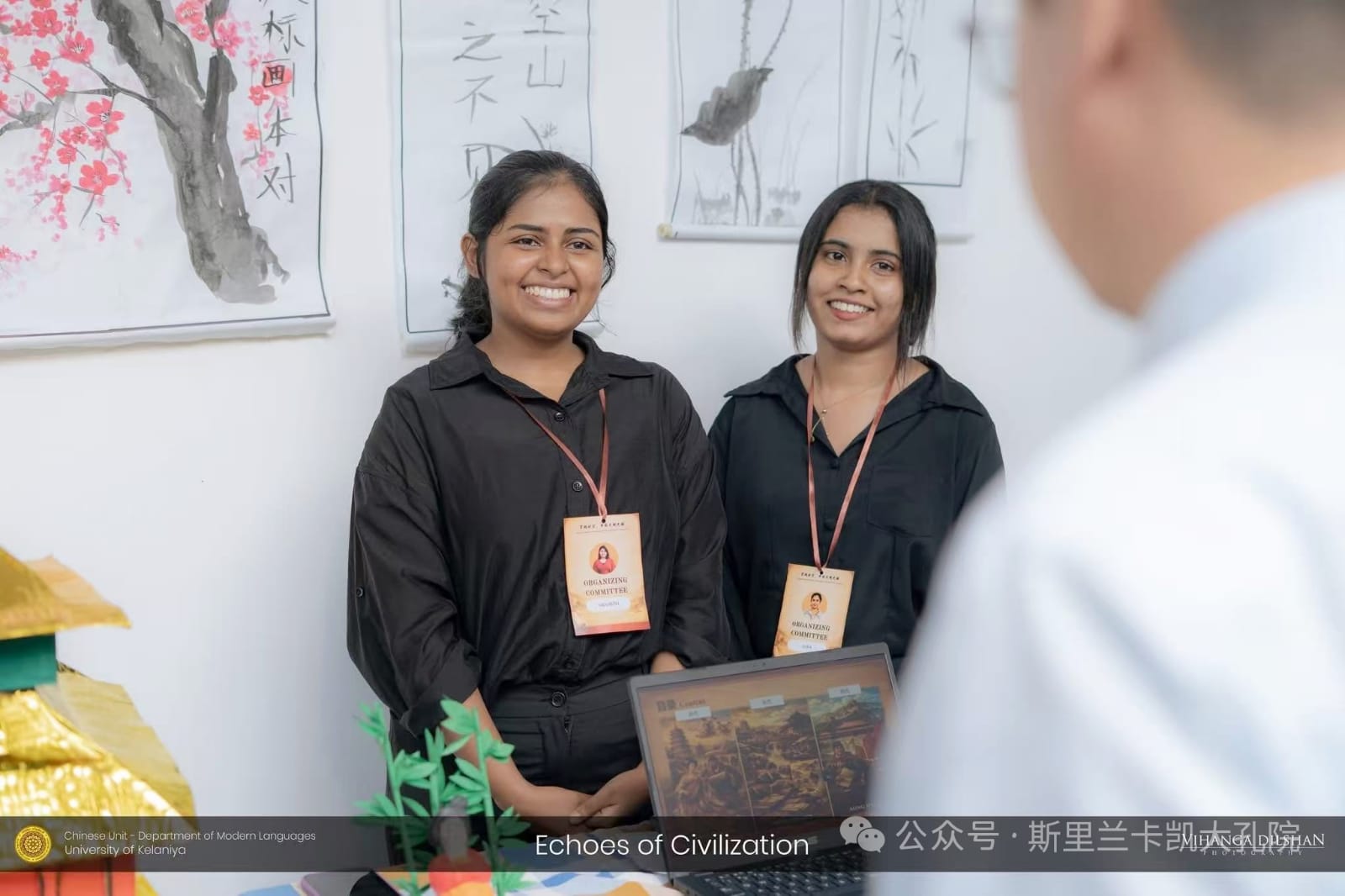
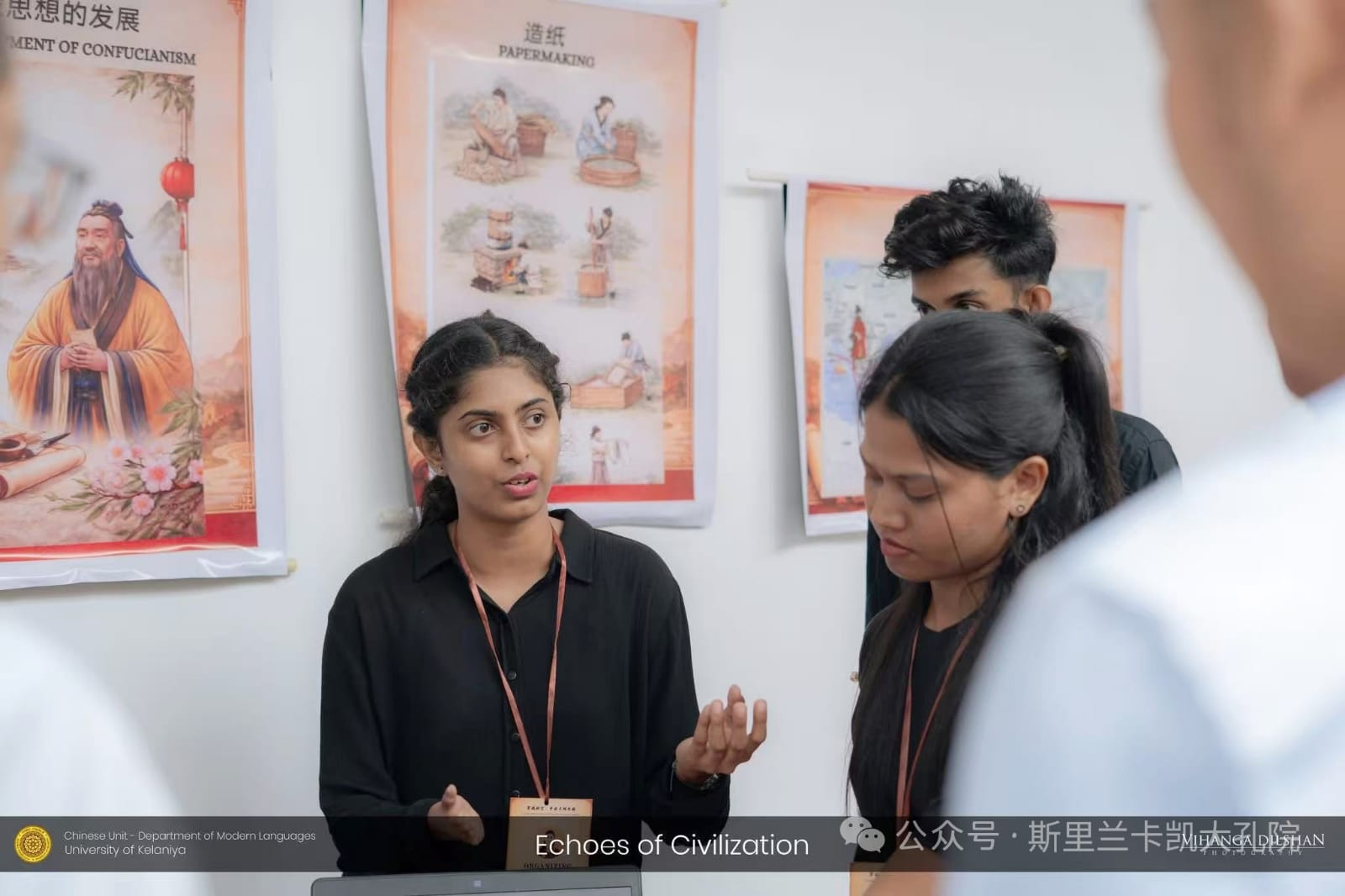
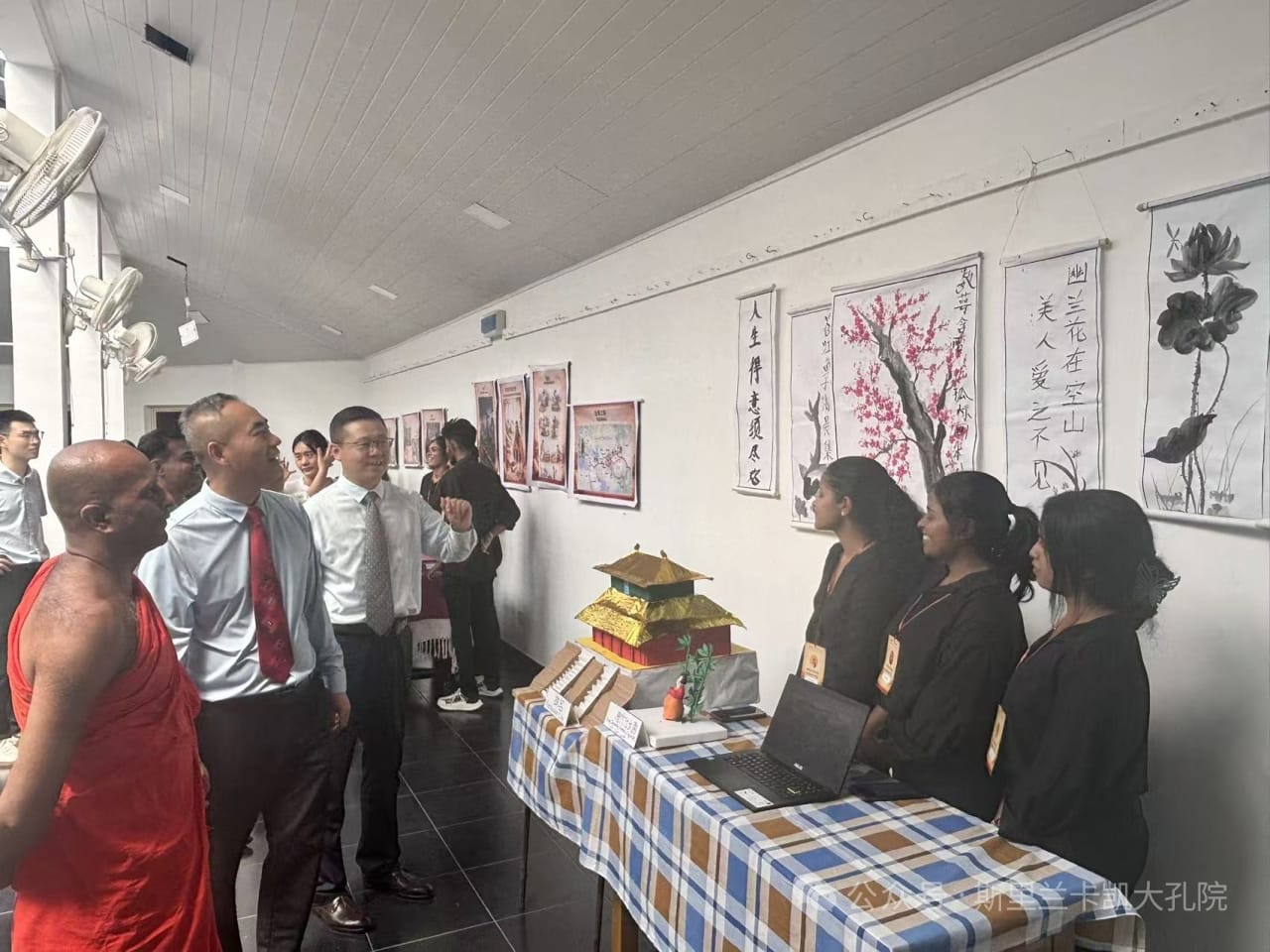
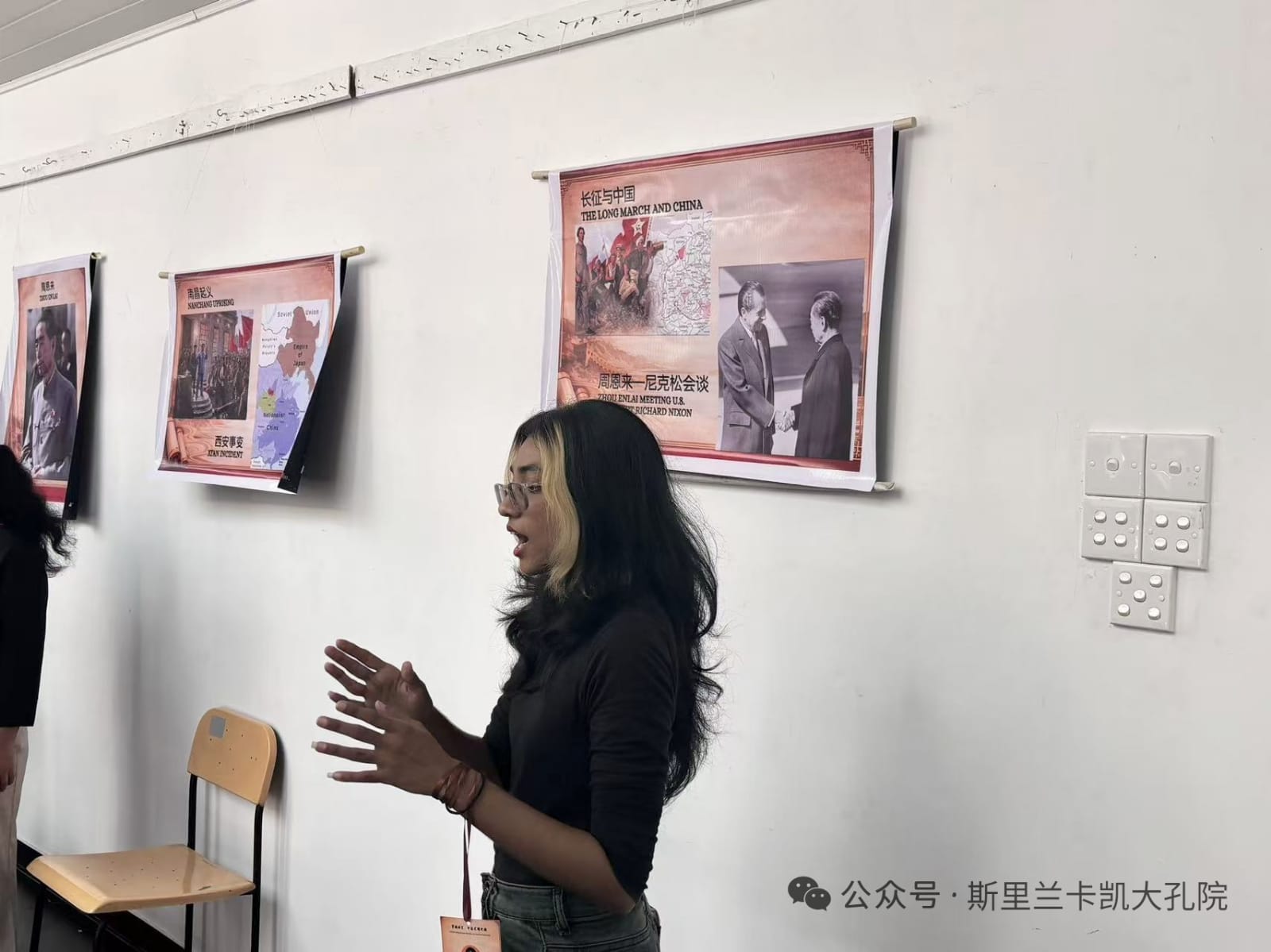
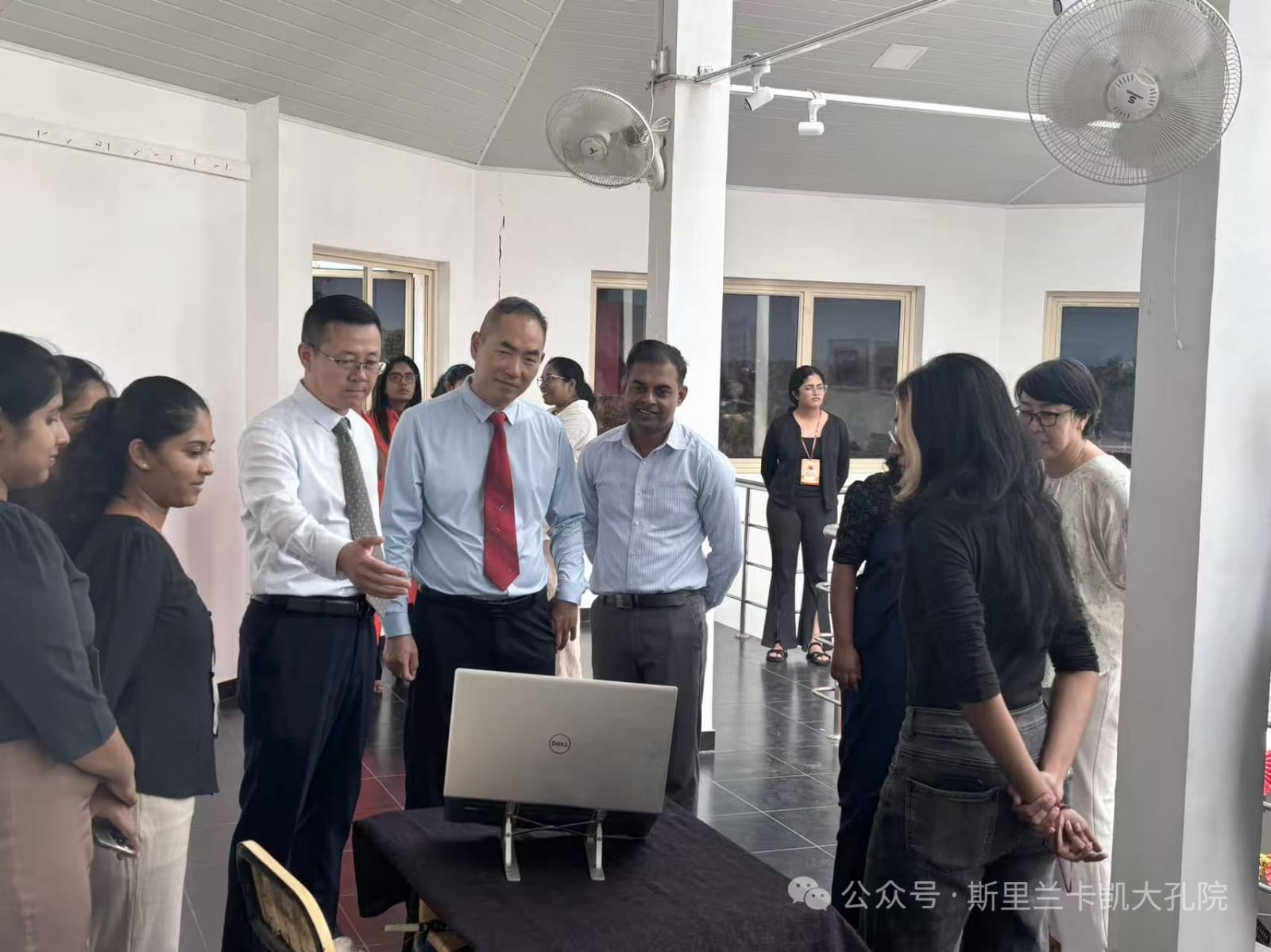
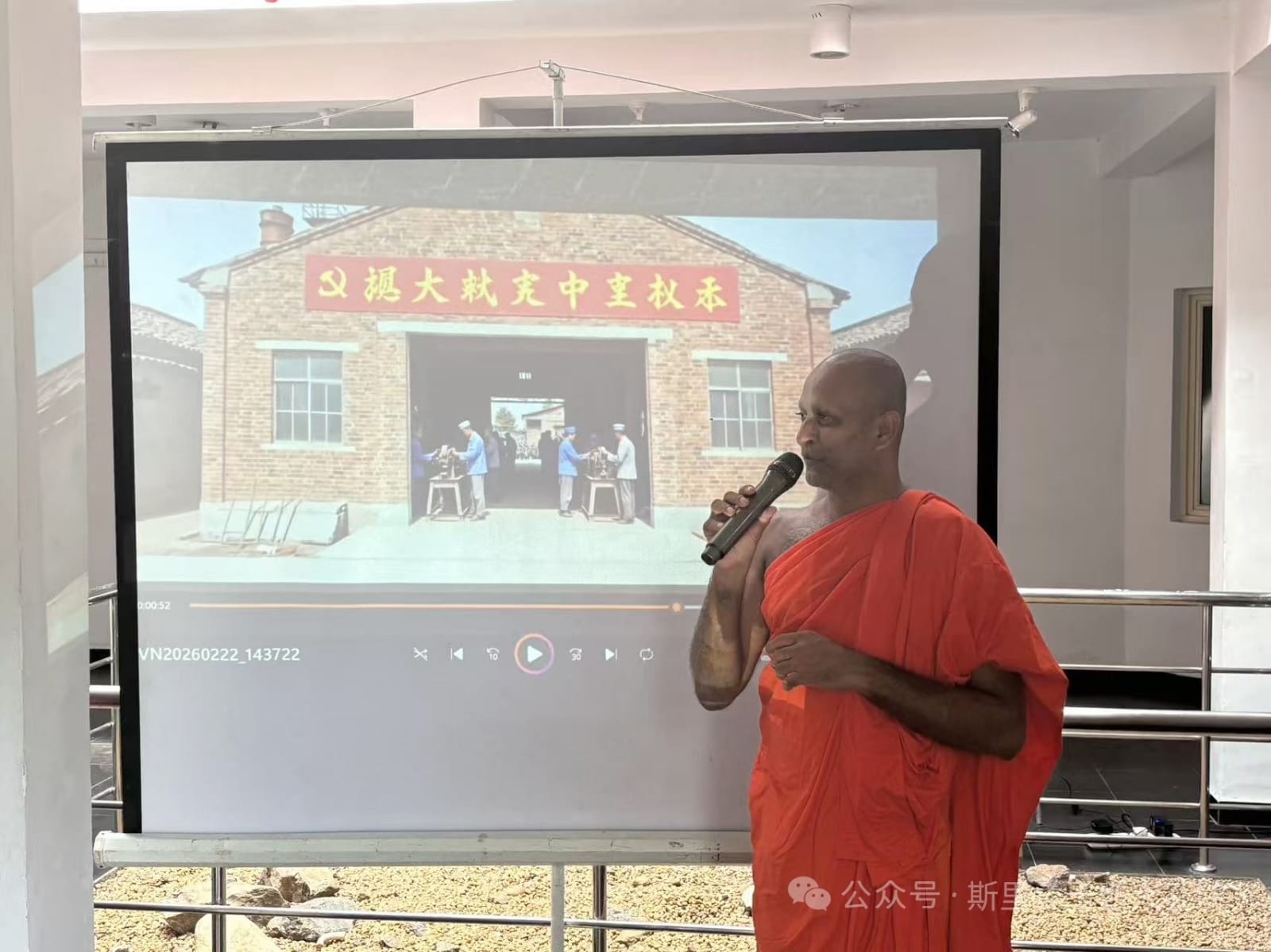
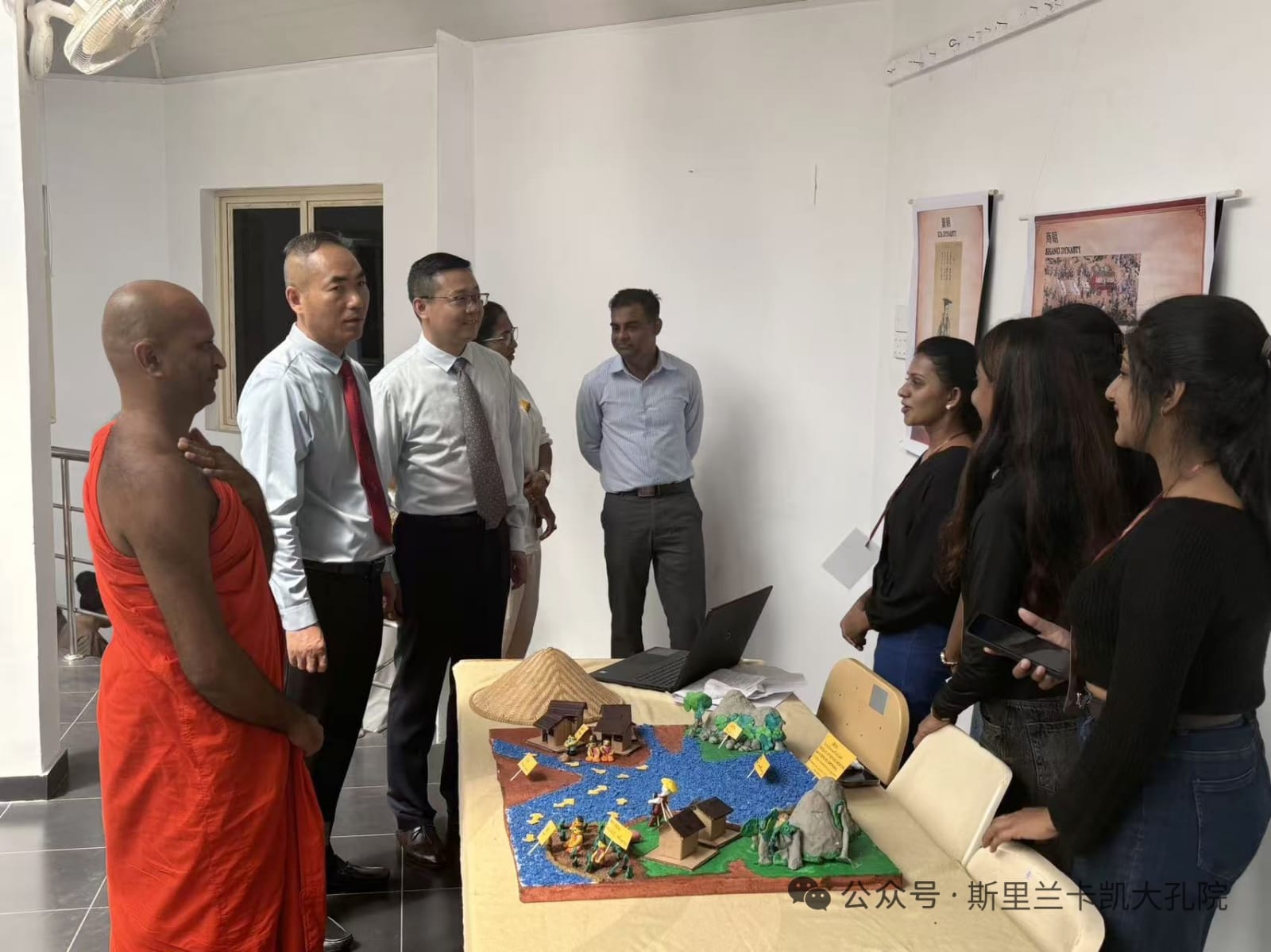
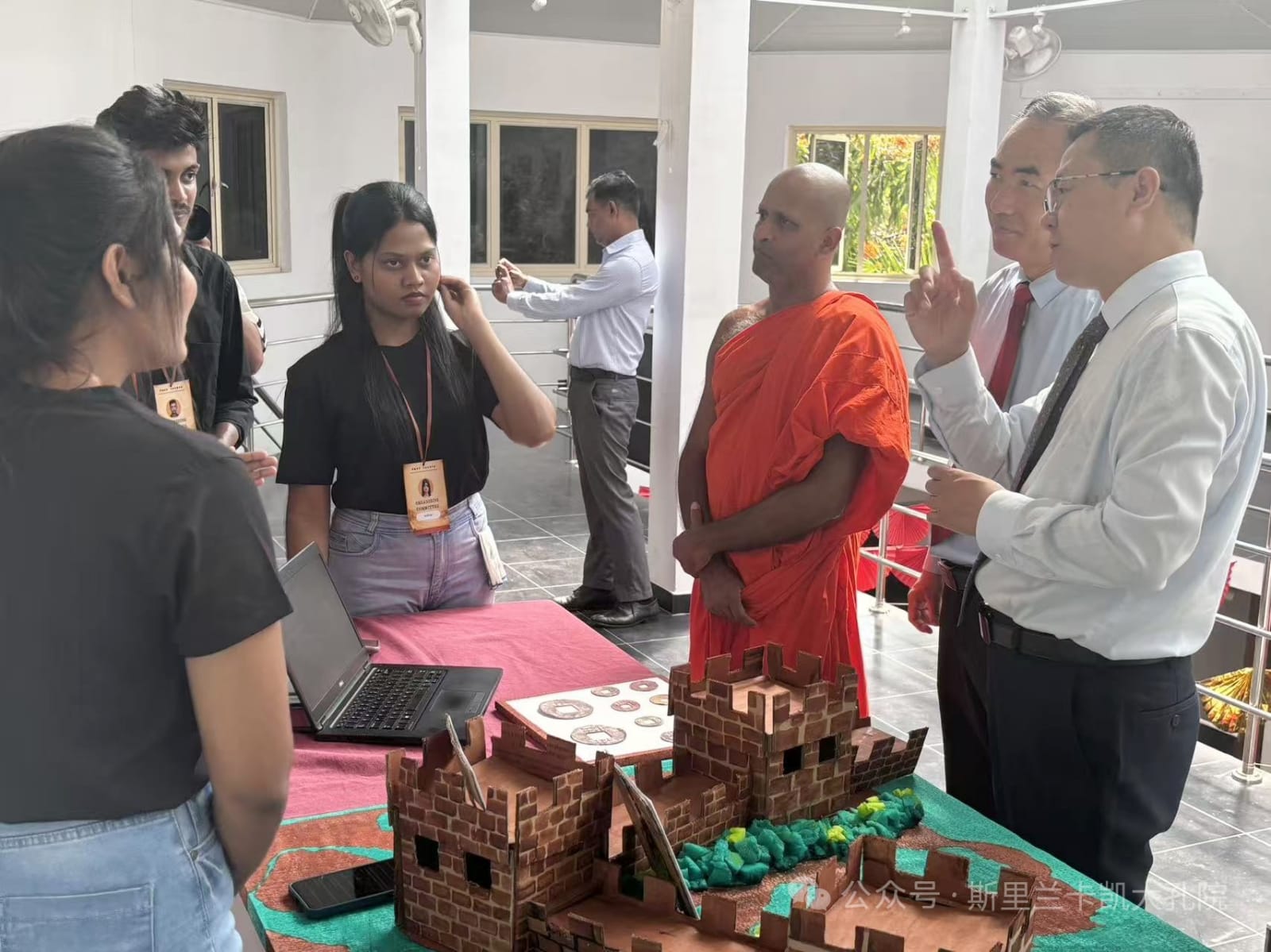
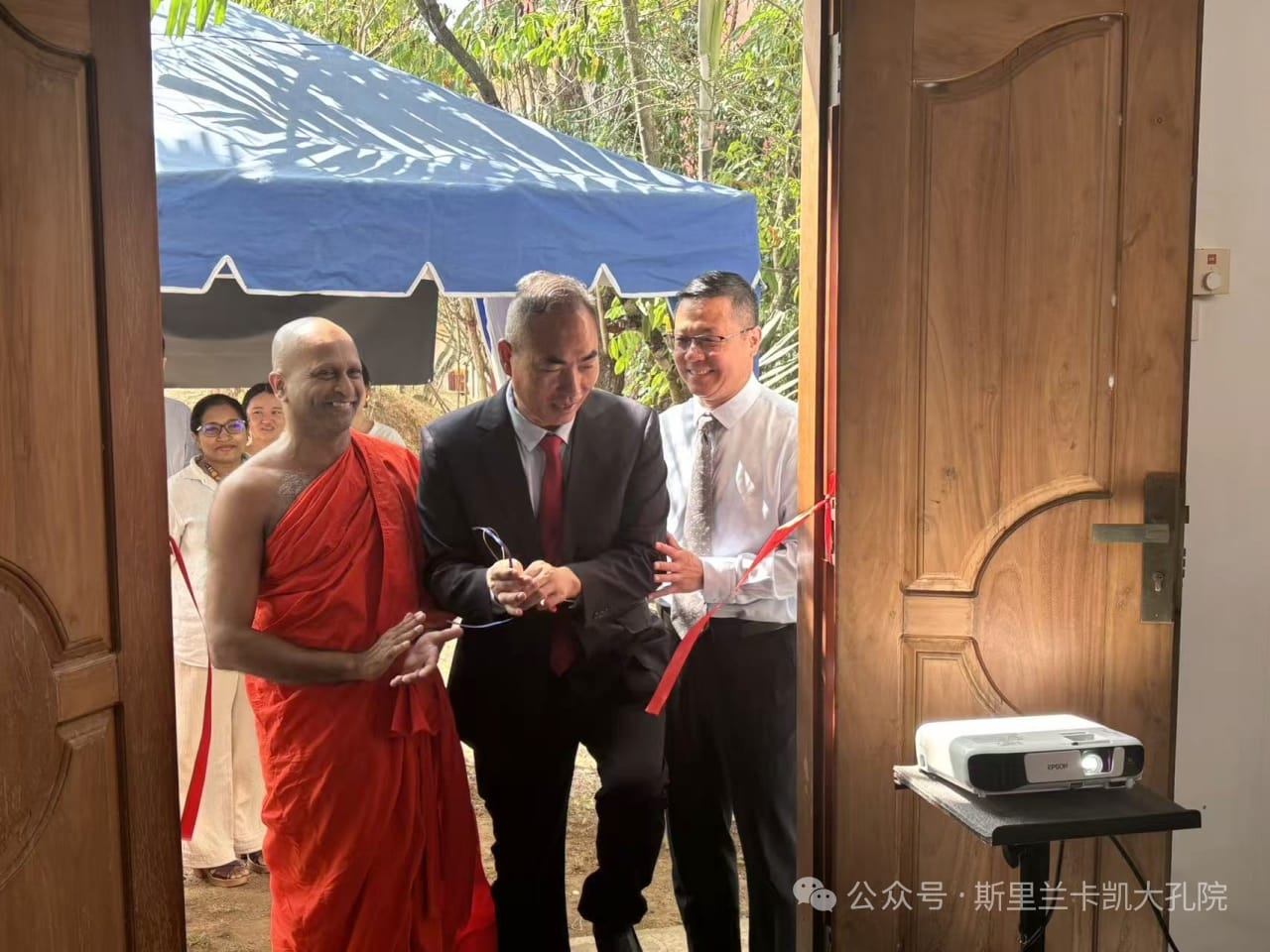
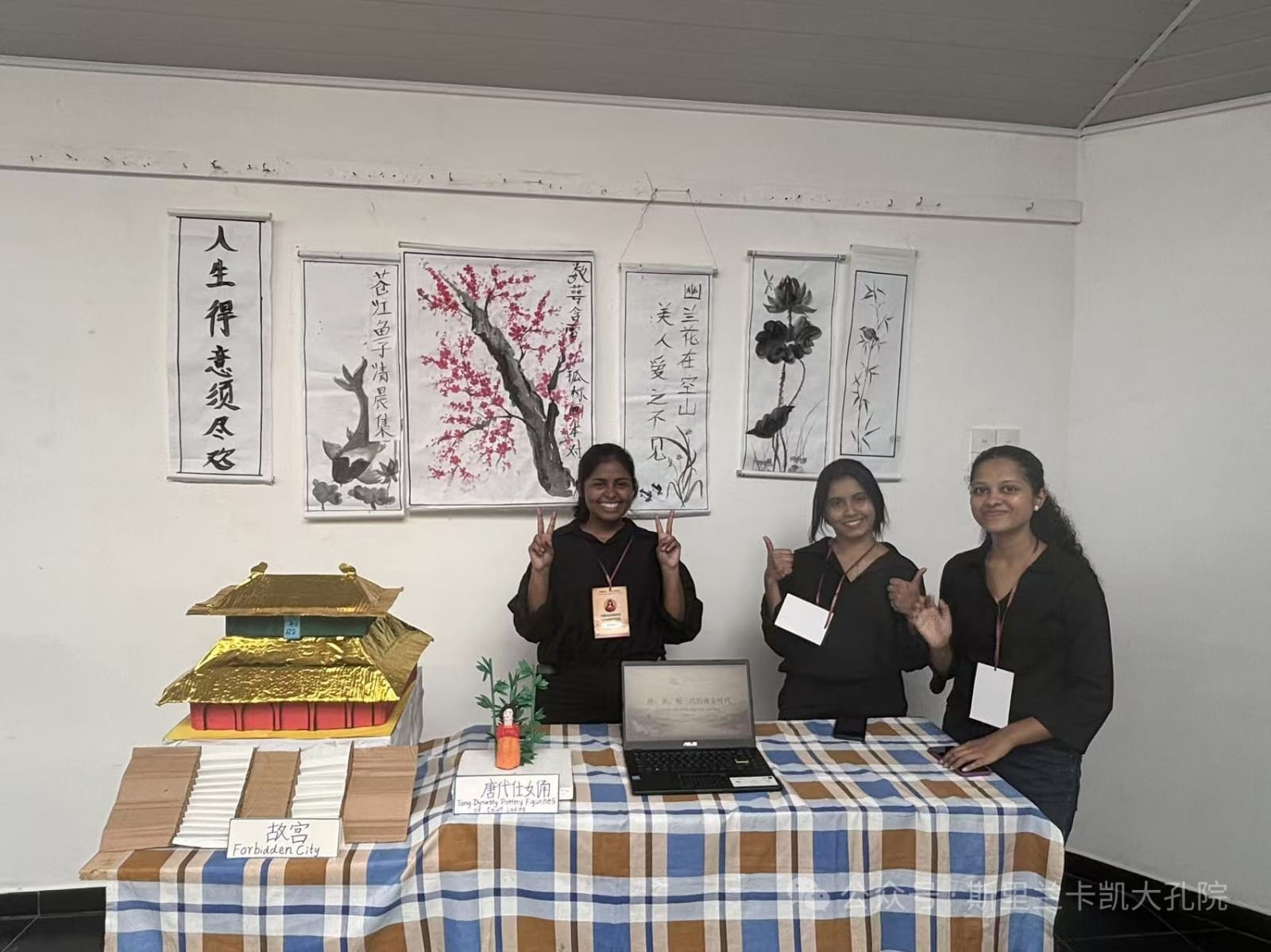
The opening ceremony featured Dr. Wu Hongyuan, Chinese Director of Confucius Institute, Senior Lecturer Sulochana Rathnayake, Sri Lankan Director of Confucius Institute, Mr. Ni Lisheng, Director of the Sri Lanka China Cultural Centre, renowned sinologist Senior Professor Nadalagamuwe Dhammadinna thero, and media personality Ms. Yang Shiyuan, who jointly inaugurated the exhibition. Students displayed handcrafted models and informative panels illustrating early human development in China, the evolution of Chinese dynasties, the golden periods of the Tang, Song, and Ming dynasties, achievements of the New China, and modern development and progress in China. Presentations included historical and cultural insights, such as the impact of China’s reform and opening-up policy on people’s lives and the significance of Premier Zhou Enlai’s diplomatic achievements, highlighting China–US relations and the “One China Principle.”
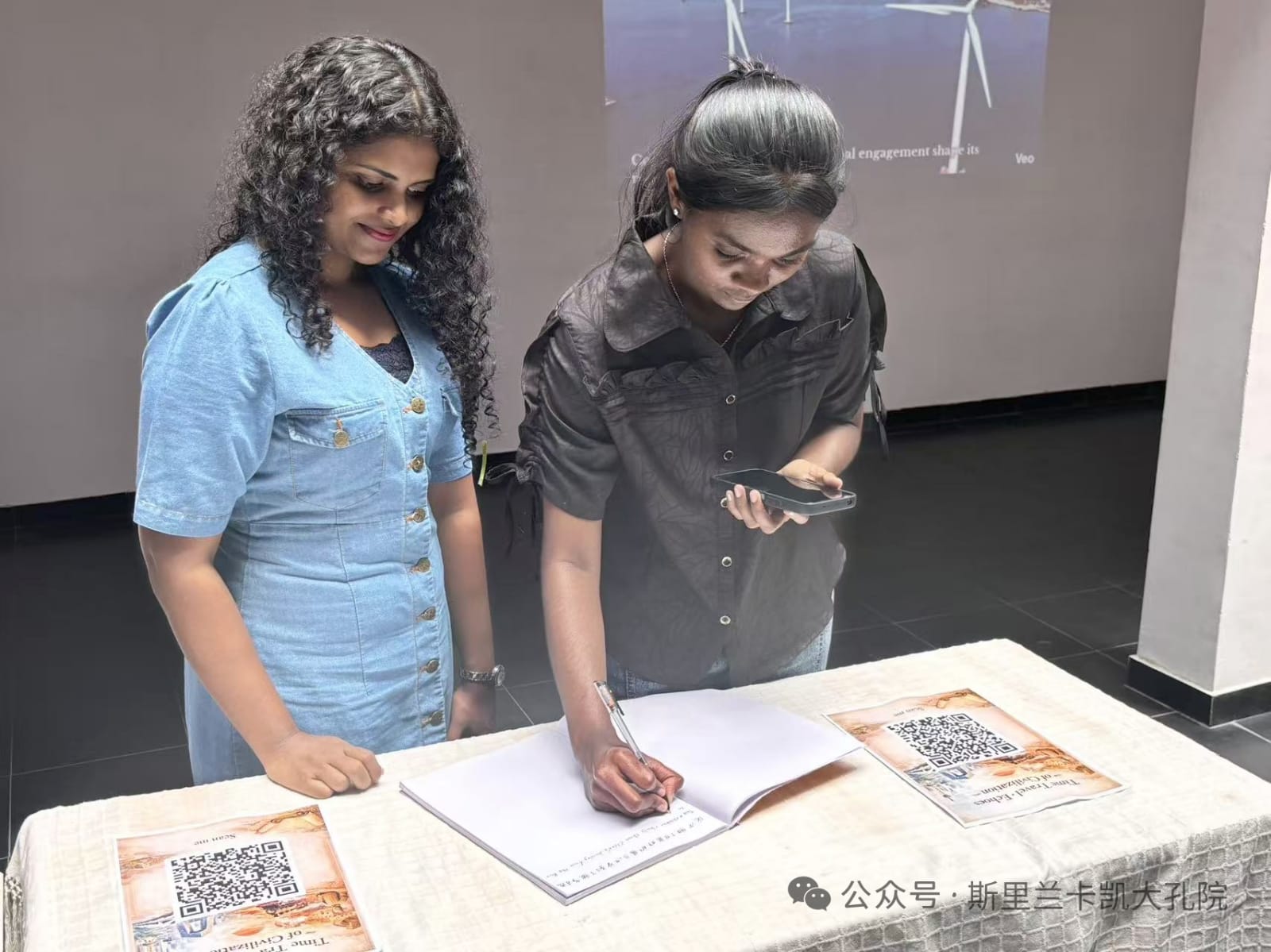
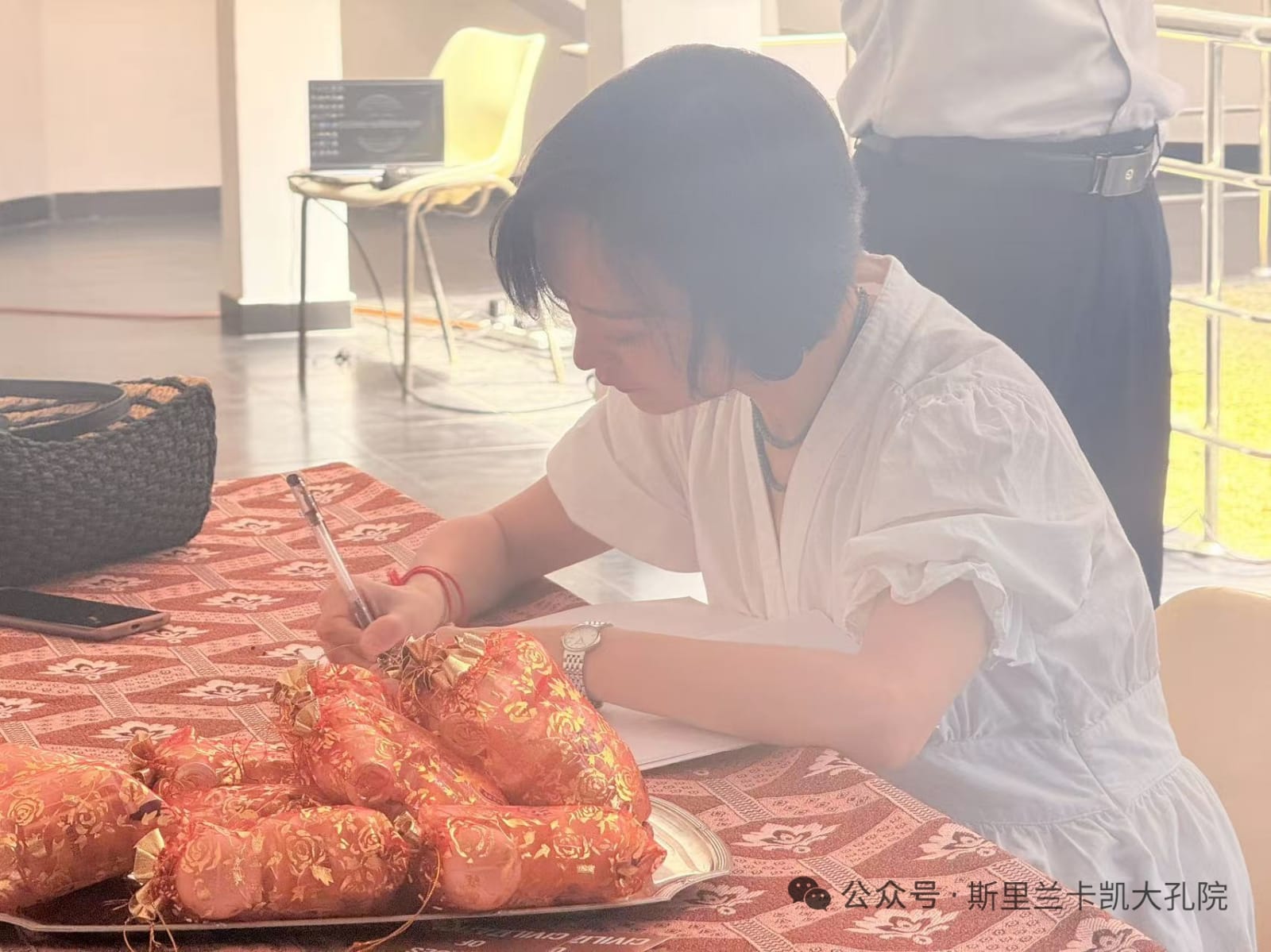
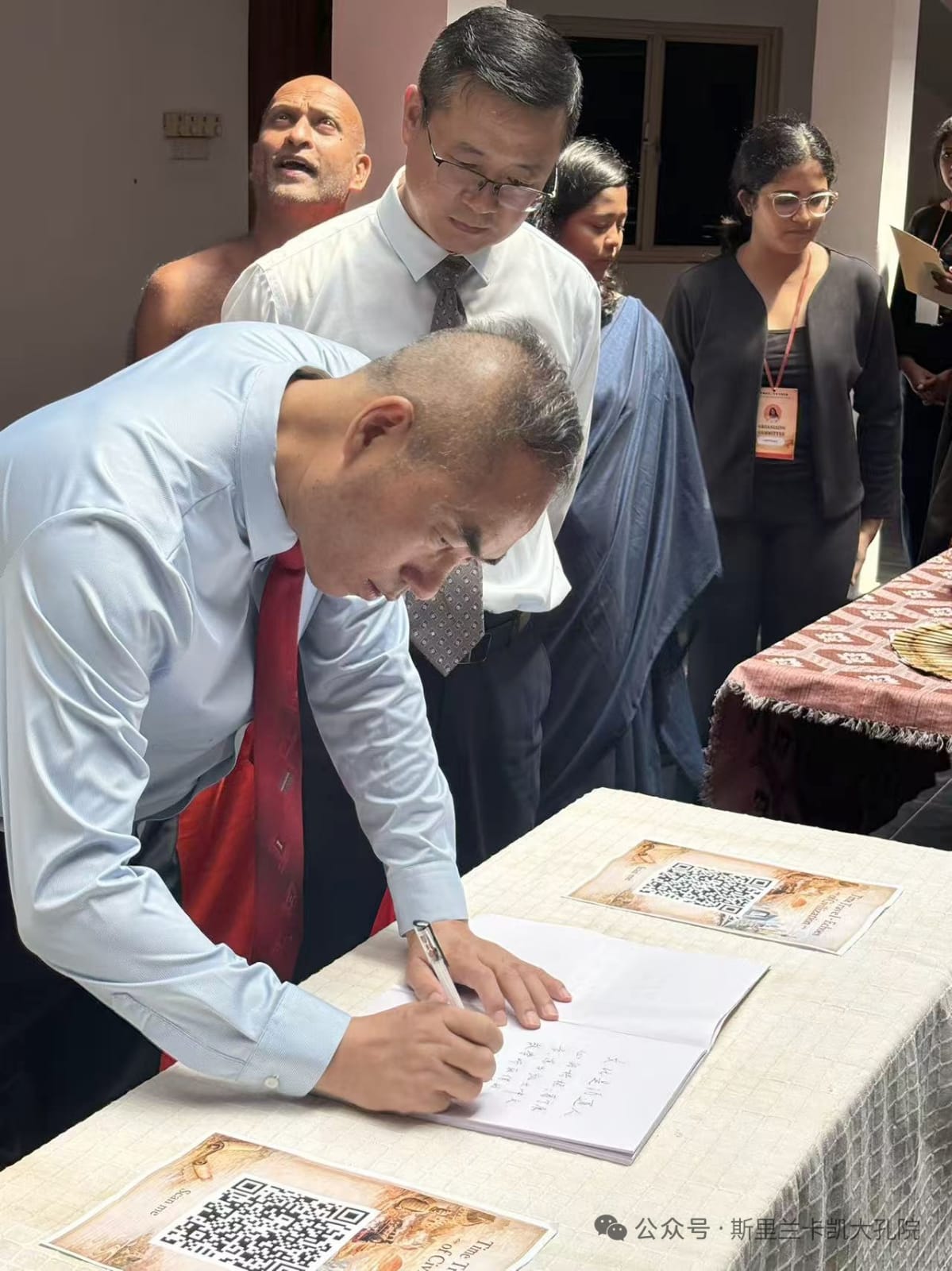
After the exhibition, guests wrote comments in the event guestbook, praising the students’ creativity and initiative, while students also shared their reflections, expressing their appreciation for the activity and their love for Chinese culture.
This exhibition provided a great opportunity for students to gain first-hand insights into China’s rich history, cultural heritage, and contemporary development, allowing them to deepen their understanding of Chinese civilization while applying their language skills in a practical and engaging way.
 |
 |
 |
 |
 |
 |
 |
 |
 |
 |
 |
 |
 |
 |